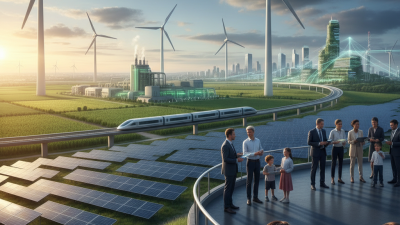
2026 Top Trends in Sustainable Energy for Global Buyers
The landscape of sustainable energy is rapidly evolving, presenting new opportunities for global buyers. As we approach 2026, understanding these trends is crucial. Innovations in technology and policy play significant roles in shaping sustainable energy solutions.
In recent years, more businesses prioritize renewable sources. Solar and wind energy continue to gain traction globally. However, many still grapple with the transition. Investment in infrastructure remains a challenge. Buyers must stay informed about these shifts to make strategic decisions.
Moreover, collaboration is key. Companies and governments must work together to drive sustainable practices. This relationship is vital for developing accessible energy solutions. As the market adapts, a commitment to sustainability will define success in the coming years. The pursuit of sustainable energy is not just a trend; it's a necessity for our future.
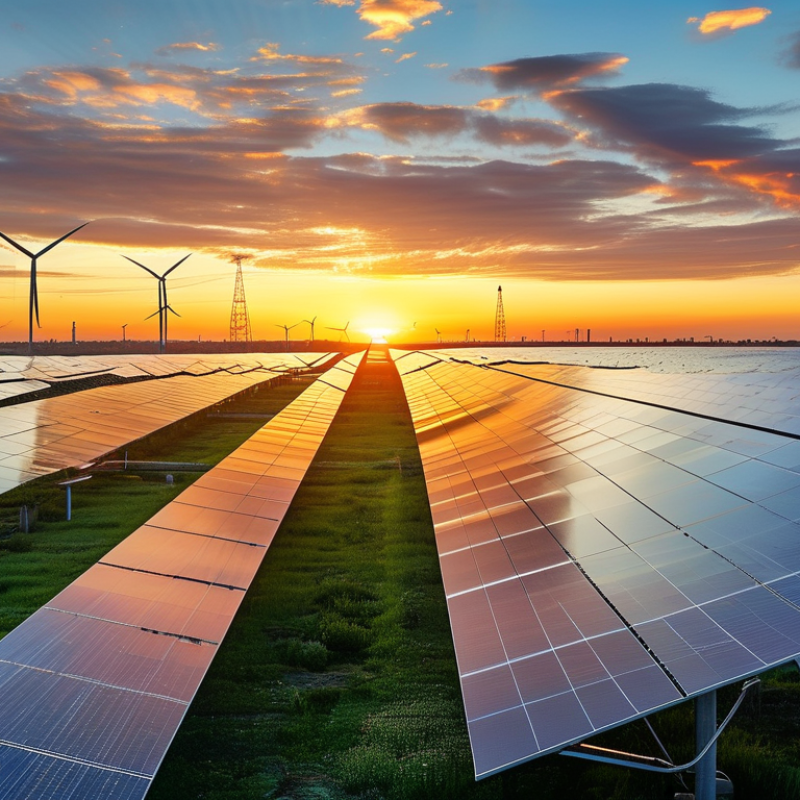
Current Global Energy Demand and the Shift Towards Sustainability
Global energy demand is at an all-time high. This surge highlights the urgent need for sustainable solutions. Traditional energy sources are becoming more unsustainable. Carbon emissions and pollution levels are rising. The world is turning to renewable energy sources for a cleaner future.
Solar energy is becoming more efficient and accessible. Wind power installations are increasing globally. However, challenges remain. Many regions still rely heavily on fossil fuels. Transitioning to sustainable options requires significant investment and commitment.
The momentum for change is building, yet hesitation persists. Energy storage solutions need improvement to support renewables. Policy frameworks must evolve to encourage innovation. It’s crucial to engage communities in the transition. A collective effort can pave the way for a sustainable energy future, but realistic challenges must be acknowledged.
Leading Renewable Energy Sources Revolutionizing the Market
The renewable energy market is undergoing a significant transformation, driven by innovative sources such as solar, wind, and hydropower. Solar energy has become more accessible due to advancements in photovoltaic technology. Modern panels are more efficient, making solar farms a popular choice for large-scale energy production. This growth, however, brings challenges, such as land use conflicts and recycling of old panels.
Wind energy has also gained traction, especially in coastal areas. Offshore wind farms are proving to be highly efficient, harnessing stronger and more consistent winds. However, these projects often face environmental concerns, including impacts on marine life and local ecosystems. It's essential for developers to engage with communities to mitigate these effects and ensure sustainable practices.
Hydropower remains a significant player in renewable energy, providing a stable energy source. While traditional dams have been effective, they can disrupt aquatic ecosystems. This concern has led to a push for smaller, run-of-the-river projects that minimize ecological impact. Each renewable energy source has its strengths and weaknesses, prompting the industry to continually refine its approaches for a more sustainable future.
Impact of Government Policies on Sustainable Energy Adoption
Government policies play a crucial role in advancing sustainable energy adoption. Renewable energy incentives can accelerate investment. Tax credits and subsidies entice businesses to explore solar, wind, and hydropower. These financial tools lower initial costs for consumers and companies alike. However, policies can vary significantly from one region to another. Lack of uniformity can create uncertainty in the marketplace. This inconsistency may hinder long-term planning for renewable projects.
Local regulations also impact sustainable energy usage. Some regions enforce strict emissions limits, pushing companies to innovate. Others may lack robust regulations, leading to slower adoption. Public funding for research and development can spur advancements. Yet, government priorities can shift with changing administrations. This uncertainty can stagnate progress in the sector. Stakeholders must navigate this complex landscape, which poses challenges to achieving sustainability goals.
Despite various initiatives, challenges remain. Some policies may not effectively address local needs. The balance between promoting renewable energy and ensuring energy reliability must be carefully managed. Unforeseen consequences can arise from poorly designed policies. Stakeholders must remain adaptable to thrive in this evolving environment.
Technological Innovations Driving the Future of Renewable Energy
The renewable energy sector is evolving rapidly, driven by technological innovations. In 2026, we expect to see significant advancements in solar and wind technologies. According to a recent report from the International Renewable Energy Agency, the efficiency of solar panels is projected to improve by up to 30% in the next few years. This increase will make solar energy more accessible and cost-effective for global buyers.
Battery storage technology is another area witnessing rapid innovation. Current research indicates a 20% decline in costs for energy storage systems by 2025. This shift is crucial for balancing supply and demand in renewable energy. Adoption rates are expected to rise, as energy storage becomes more reliable and affordable. However, challenges remain, including recycling and sourcing of materials for new battery technologies.
Digitalization plays a vital role in the evolution of renewable energy. Smart grids and IoT devices help optimize energy distribution, improving efficiency. Data-driven decision-making supports better forecasting and energy management. Yet, concerns around data security and system integration need careful consideration. Addressing these barriers can drive further innovation in the sector, paving the way for a sustainable energy future.
Investment Trends in Sustainable Energy Projects for 2026
The global shift toward sustainable energy is accelerating, with investment trends indicating robust growth in 2026. According to recent industry reports, renewable energy investments are projected to exceed $2 trillion annually by the end of the decade. Solar and wind power remain at the forefront, but sectors like energy storage and electric mobility are gaining attention. These areas are critical as they support the infrastructure needed for widespread renewable adoption.
Investors are increasingly aware of the benefits of incorporating sustainability into their portfolios. Approximately 70% of institutional investors plan to allocate more resources to green investments by 2026. However, potential challenges remain, including fluctuating regulatory landscapes and technological uncertainties. It's important for investors to critically assess the evolving market and remain adaptable in their strategies.
While optimism prevails, the path is not without obstacles. Supply chain issues and raw material scarcity can hinder project timelines. Emerging technologies, though promising, may not deliver expected outcomes promptly. Investors must maintain a keen eye on both risks and rewards. Engaging with expert analyses and adjusting strategies to reflect market realities will be pivotal in navigating the sustainable energy investments of 2026.
Related Posts
-
Alternative Energy Sources in 2026 What You Need to Know?
-
The Ultimate Guide to Harnessing the Best Renewable Energy Options for Your Business
-

Challenges Faced by Global Buyers Seeking the Best Green Energy Solutions
-

Exploring the Unique Features and Applications of the Best Sustainable Energy Products in Today's Market
-
10 Ways Renewable Energy Transforms Our Future
-
Top 10 Alternative Energy Sources You Should Know About in 2023