Alternative Energy Sources in 2026 What You Need to Know?
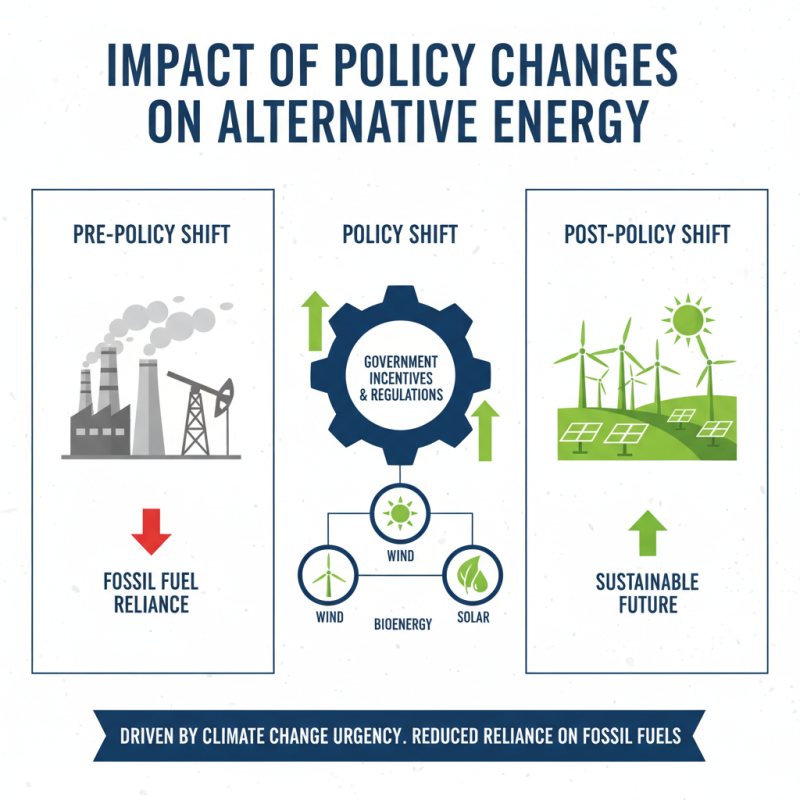
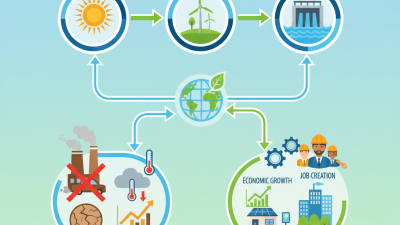
As we look toward 2026, the landscape of energy is changing rapidly. "Alternative Energy Sources" are becoming crucial in our quest for sustainability. Traditional fossil fuels are declining, pushing us to explore new options. Solar, wind, and bioenergy lead the charge, promising cleaner and more sustainable solutions.
However, the shift to these alternatives is not without challenges. Many technologies still face hurdles in efficiency and affordability. There are also concerns about the environmental impact of some sources. For instance, while wind energy reduces carbon emissions, the manufacturing of turbines can be resource-intensive.
Investing in "Alternative Energy Sources" requires careful consideration. Policymakers, businesses, and consumers must collaborate to create effective strategies. As we navigate this transition, the importance of reliable information becomes paramount. Relying on expert insights will help ensure that we make informed decisions for a sustainable future.
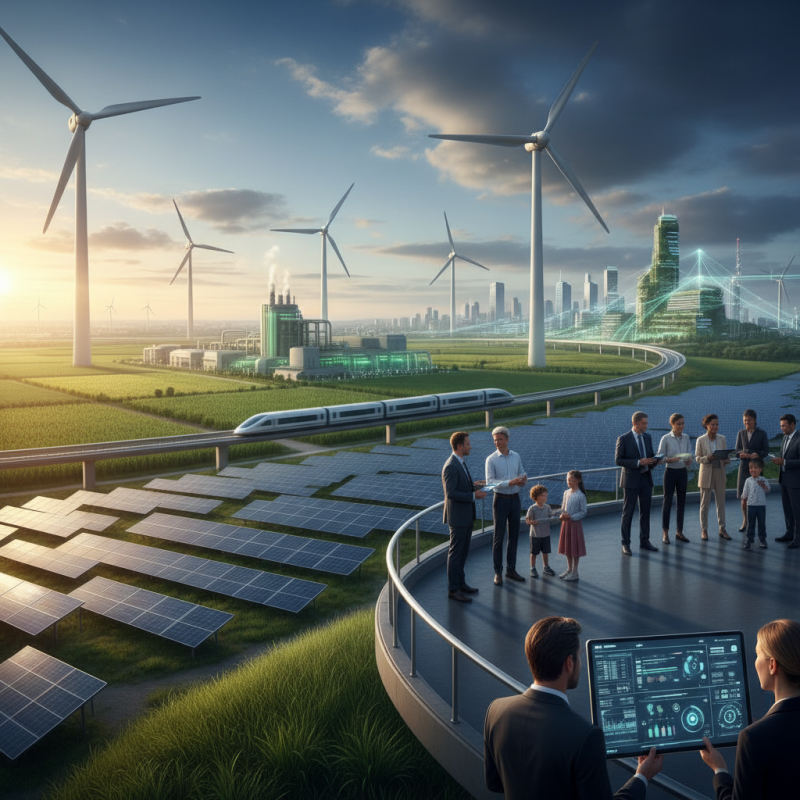
Overview of Alternative Energy Sources in 2026
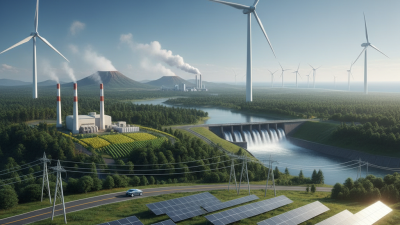
In 2026, alternative energy sources are more crucial than ever. Governments and organizations are seeking cleaner options to combat climate change. Solar, wind, and hydroelectric power are leading the charge. These sources provide renewable energy without emitting harmful pollutants.
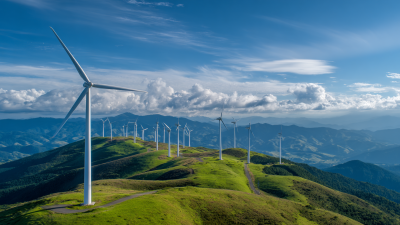
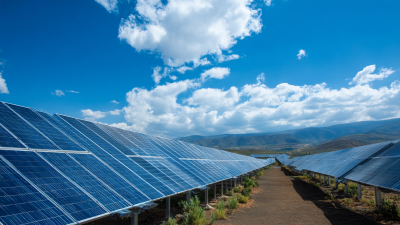
Solar energy has advanced significantly. New technologies allow for increased efficiency and lower costs. This means more homes can benefit from solar panels. Wind power is also booming, with larger turbines generating more energy than before. Hydroelectric plants are being updated to minimize environmental impact. These shifts are promising for future energy resilience.
Tips: Consider your location. Some regions benefit more from wind or solar power. Evaluate your energy needs before committing. Community solar projects might be a great option for those unable to install panels. Research energy storage solutions, like batteries, to maximize your usage. Making informed decisions now can lead to long-term savings and sustainability.
Alternative Energy Sources in 2026
Key Technological Advancements in Renewable Energy
In 2026, renewable energy sources are evolving rapidly. Solar and wind technologies are at the forefront of this shift. New materials are enhancing solar panel efficiency. Some panels now capture more sunlight, even in low-light conditions. Battery technologies, too, are improving. Energy storage systems allow for better management of intermittent energy supplies.
However, challenges remain. Not all areas have access to these advancements. Infrastructure updates lag behind innovative technologies. Additionally, reliance on newer materials raises environmental concerns. Some lithium used in batteries can create mining issues. Addressing these problems is crucial for sustainable growth.
The integration of artificial intelligence is transforming energy systems. Smart grids can optimize energy distribution and consumption. AI algorithms help balance supply and demand. Still, implementation requires careful planning and investment. Ensuring equitable access to technologies is a significant challenge. As we look forward to these advancements, we must remain mindful of the broader impacts on society and the environment.
Alternative Energy Sources in 2026: Key Technological Advancements in Renewable Energy
| Energy Source |
Technological Advancement |
2026 Efficiency (%) |
Carbon Emissions (gCO2/kWh) |
Implementation Costs ($/kW) |
| Solar |
Bifacial solar modules |
22.5 |
40 |
1000 |
| Wind |
Floating wind turbines |
50 |
10 |
1200 |
| Hydro |
Small scale hydro technologies |
45 |
5 |
1500 |
| Biomass |
Advanced biogas systems |
38 |
120 |
800 |
| Geothermal |
Enhanced geothermal systems |
20 |
15 |
2500 |
Economic Viability and Market Trends for 2026 Energy Sources
The energy landscape is evolving fast, and alternative energy sources in 2026 are becoming increasingly important. According to a recent report by the International Energy Agency (IEA), renewable energy sources will constitute nearly 70% of global power generation by this date. This highlights a shift toward economic viability. However, the initial investment remains a challenge. Capital costs for solar and wind installations are declining, yet inconsistent policy frameworks can hinder growth.
The market trends indicate a surge in energy storage solutions. As demand for renewable sources increases, so does the necessity for efficient energy storage. In 2026, the global energy storage market is projected to reach $9 billion. This growth will be crucial as consumers seek reliability. Companies must also adapt quickly to these trends. Failing to do so could mean losing competitive edges.
Tips: Evaluate grid adaptability. Assess how energy storage fits into your energy plans. Pay attention to local policies. Local regulations can greatly affect economic viability and project success. Always conduct thorough research before making investment decisions.
Future Challenges and Opportunities in Alternative Energy Sector
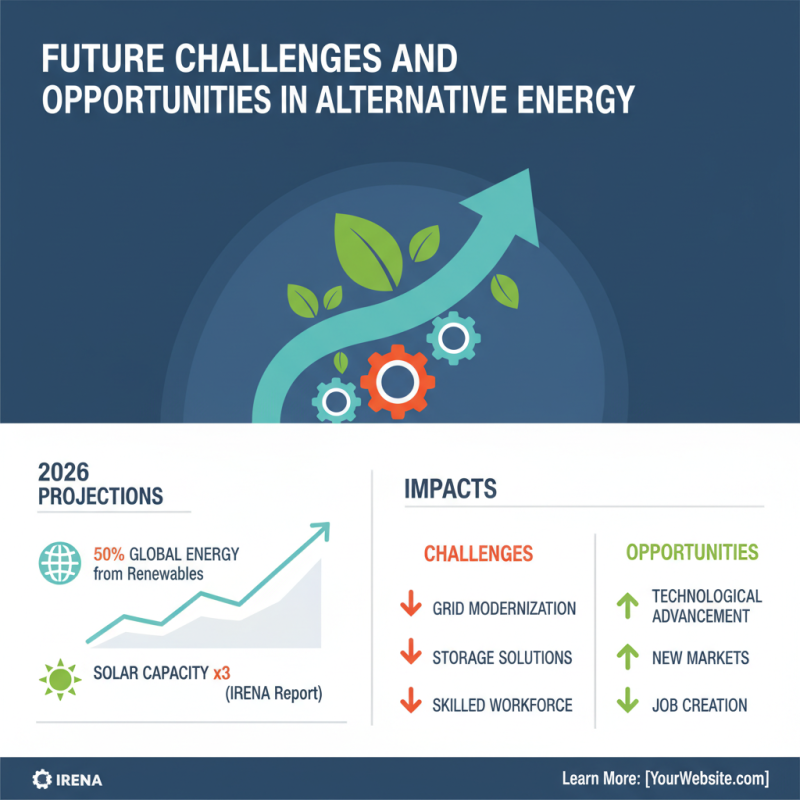
The alternative energy sector is rapidly evolving. By 2026, renewable energy could account for roughly 50% of the global energy demand. This shift brings both challenges and opportunities for industries worldwide. The International Renewable Energy Agency (IRENA) reports that solar energy capacity could triple by 2026, driven by technological advancements.
Despite the promising growth, several hurdles remain. Infrastructure investments are critical. Major upgrades to the grid are necessary to handle renewable inputs. Furthermore, public acceptance can be uneven. Communities may resist new projects due to environmental or aesthetic concerns. A report by the World Energy Council highlights that 40% of renewable projects face delays due to regulatory hurdles.
Opportunities exist as well. Innovations in battery storage technology can enhance energy independence and grid reliability. The global demand for clean energy jobs is projected to rise significantly, creating millions of positions. According to the U.S. Bureau of Labor Statistics, the solar industry alone is expected to grow by 20% annually. The journey toward sustainable energy is complex, filled with both promise and uncertainty.