What Is Solar Electricity and How Does It Work?
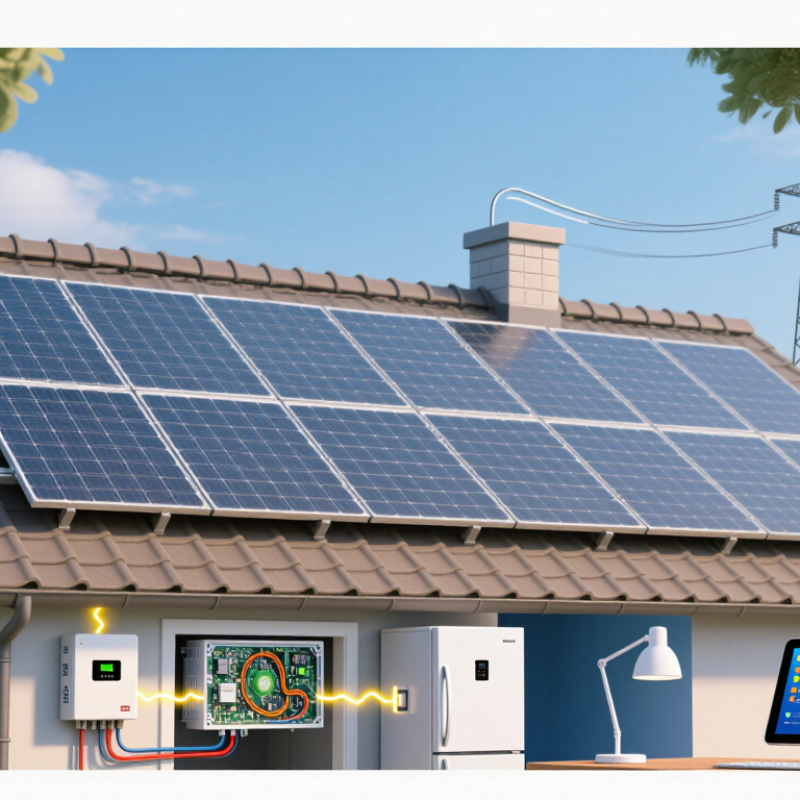
Solar Electricity turns sunlight into usable electrical power through photovoltaic cells. These cells use semiconductor materials, commonly silicon, to release electrons when light reaches their surface. An inverter then changes direct current into alternating current for household appliances, such as a refrigerator or desk lamp. It sounds simple. The engineering is not.
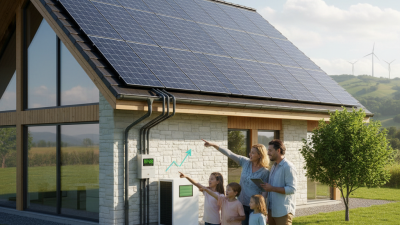
A typical rooftop system includes panels, mounting equipment, wiring, safety switches, and monitoring software. On a clear afternoon, the panels may produce strong output, while clouds, shade, dust, and heat reduce performance. Batteries can store surplus energy for evening use, but they add cost, weight, and maintenance requirements. Grid-connected homes may export extra electricity, depending on local rules and utility agreements. Careful design matters. Roof direction, structural strength, cable quality, and inverter capacity all affect safety and value.
Reliable guidance should come from recognized energy agencies, qualified installers, and documented equipment testing. Performance estimates should use local sunlight data rather than optimistic advertising. Solar Electricity is cleaner at the point of generation, yet manufacturing, transport, land use, and panel disposal still deserve honest attention. The technology is powerful, not magical. A poorly planned system can disappoint, especially when expected savings ignore seasonal demand or financing costs. This guide explores how solar power works, what each component does, and which practical questions deserve closer inspection before installation. Some assumptions may need revision as technology, prices, and electricity policies change. That uncertainty is part of making a responsible decision.
What Solar Electricity Is and Where It Comes From
Solar electricity is electrical power produced from sunlight. It begins with energy released by the sun through nuclear fusion, millions of kilometers away. When sunlight reaches a photovoltaic panel, tiny particles of light transfer energy to semiconductor cells. These cells create a flow of direct current.
An inverter changes that current into alternating current for household circuits. The electricity can then run lights, refrigerators, pumps, and other equipment. Extra power may charge batteries or move into the public grid, depending on the system. Output changes with cloud cover, panel angle, dust, and season. A clear winter day can sometimes outperform a hot, hazy summer afternoon. Heat does not automatically mean more electricity. That detail is easy to overlook.
Tips:
Keep panels free from heavy dust and leaves. Check shade during different seasons, not only on installation day. Ask a qualified electrician to inspect wiring and protection devices. Solar systems are quiet, but they are not effortless. Panels can produce power even when the building is disconnected from the grid, so maintenance requires proper shutdown procedures. Estimates also deserve skepticism; local sunlight records are more useful than optimistic promises.
How Solar Cells Convert Sunlight into Electricity
Solar electricity begins with the photovoltaic effect. A photovoltaic cell contains semiconductor layers, usually made from silicon. When sunlight reaches the cell, photons transfer energy to electrons. These energized electrons move across an internal electric field. Their movement creates direct current. Metal contacts collect the current and carry it through wires. The cell produces power quietly, without combustion or moving parts.
Several cells form a module, and modules form an array. An inverter changes direct current into alternating current for household circuits. It also manages voltage and tracks power output. Small changes matter. According to IRENA’s Renewable Capacity Statistics 2025, solar capacity grew by about 452 gigawatts worldwide in 2024. The IEA’s Renewables 2024 report expects renewable capacity to expand by approximately 5,500 gigawatts by 2030, with solar leading the increase.
The textbook explanation is clean, but real systems are less predictable. Clouds, dust, shading, and panel angle alter the number of available photons. Heat can also reduce electrical performance. In field inspections, a narrow shadow from a cable or tree may affect several cells. The effect is easy to overlook. NREL’s Best Research-Cell Efficiencies chart records laboratory solar cells above 47% efficiency, while ordinary installed modules remain much lower. This gap reflects practical limits, including manufacturing cost, durability, wiring losses, and imperfect sunlight.
The Main Components of a Solar Power System
A solar power system turns sunlight into usable electricity through several connected components. Solar panels, usually mounted on a roof or open ground, contain photovoltaic cells. These cells produce direct current when sunlight reaches them. On a clear afternoon, a panel can feel warm, but heat does not always mean better performance. Excessive heat may reduce its electrical output.
The inverter is the system’s control point. It changes direct current into alternating current for household appliances, such as refrigerators, lights, and computers. Many inverters also monitor voltage, energy production, and faults. A qualified installer should position the equipment in a dry, ventilated area. Poor airflow can shorten its working life. The system also needs mounting rails, cables, connectors, protective switches, and grounding equipment. These details seem minor. They are not.
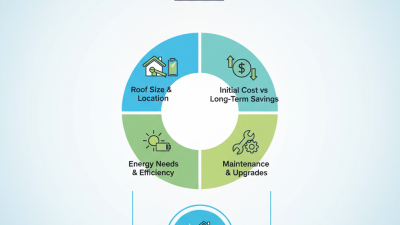
A battery can store extra electricity for evening use or during an outage, depending on local rules and system design. A charge controller helps manage battery charging in some systems, especially those using separate battery banks. A meter records electricity moving between the solar system, home, and utility network. From practical inspections, loose connections and shaded panels often cause disappointing results. Cleaning may help, but frequent washing is not always necessary. Dust, leaves, roof direction, seasonal sunlight, and future electricity needs should all shape the design. My first assumption was that more panels solved every problem; system balance matters more.
What Factors Affect Solar Electricity Production
Solar electricity begins when photovoltaic cells absorb sunlight and release electrical charges. The cells create direct-current electricity, while an inverter converts it into usable household power. Production, however, is never determined by panel size alone.
Sunlight intensity is the strongest influence. Clear midday skies usually deliver more energy than hazy winter light. The panel’s angle matters too, because direct sunlight produces better results than sharply angled light. A roof facing away from the strongest daily sunlight may generate less electricity. Even small shadows can matter. A chimney, tree branch, or nearby building may cover only part of a panel but reduce its output noticeably.
Temperature brings a less obvious effect. Photovoltaic modules often lose efficiency as they become very hot, despite receiving strong sunlight. Dust, pollen, and bird residue can reduce output across the surface. Rain may clean the panels, but it does not guarantee ideal performance. Inverter efficiency, cable resistance, and battery losses also reduce usable electricity. A meter might show excellent production at noon, yet daily results can remain modest. This is where estimates can mislead. A careful assessment uses local solar data, roof surveys, seasonal shading, and measured electricity demand. I would not trust a single sunny-day reading; it hides cloudy weeks and changing household use.