Ultimate Tips for Sourcing China Custom Metal Parts?
The China Custom Metal Parts industry has shown impressive growth in recent years. According to a report by MarketsandMarkets, the global custom metal parts market is projected to reach $130 billion by 2026, with China being a major contributor. This upward trend highlights the importance of effective sourcing strategies in this competitive environment.
Experts like Dr. Li Wang, an industry leader with over 20 years of experience, emphasize the critical role of quality control in sourcing. "Understanding the manufacturing process is key to obtaining premium custom metal parts," he states. To remain competitive, companies must prioritize quality and efficiency. Sourcing from China offers unique advantages but also presents challenges that need careful navigation.
Companies must consider supplier reliability, material specifications, and production capabilities. Many businesses overlook these factors, leading to costly mistakes. Developing a robust sourcing strategy can mitigate risks. With the right approach, organizations can fully leverage the benefits of China Custom Metal Parts and position themselves for success in the global market.
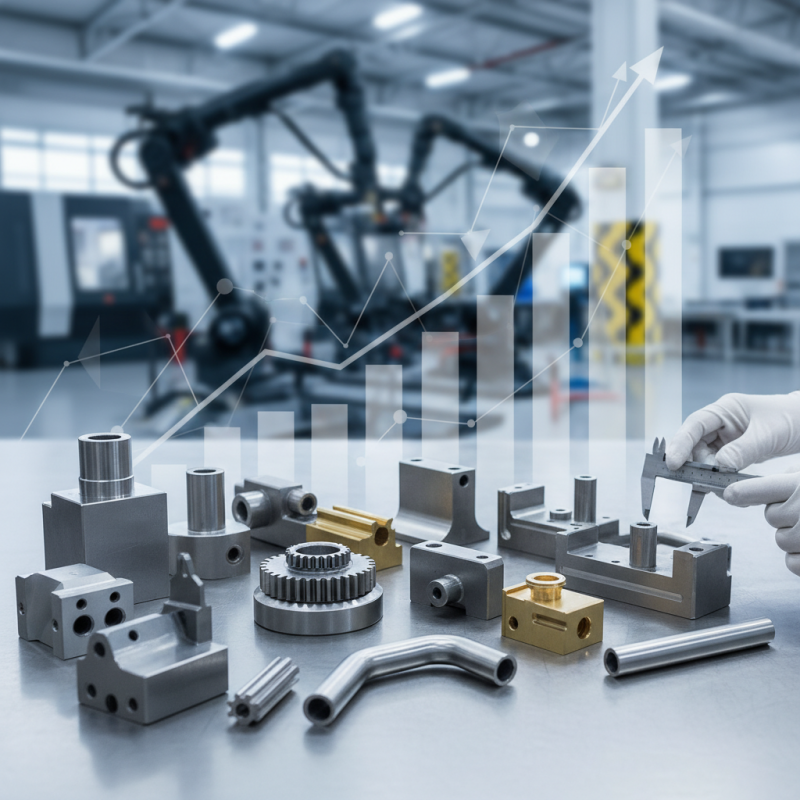
Understanding the Importance of Custom Metal Parts in Various Industries
Custom metal parts play a crucial role in various industries. They are found in sectors like automotive, aerospace, and machinery. These parts enable manufacturers to create efficient and durable products. The precision and quality of these components directly impact overall performance. For example, a slight flaw in a custom part can lead to significant failures in machinery. Industries demand reliability, so sourcing these parts correctly is vital.
Understanding the sourcing process is key. Effective communication with suppliers ensures that specifications are met. It's important to assess the supplier's capabilities. Many companies face challenges in quality control and timely delivery. Engaging with local manufacturers might offer advantages, yet international suppliers can provide lower costs. Each option has its risks and benefits.
Diverse manufacturing techniques exist, like CNC machining and 3D printing. Each method has unique advantages and limitations. Companies often need to evaluate their specific needs, which can lead to trial and error. Some may find that the initial investment in custom parts yields long-term savings. Observing the outcomes of different sourcing strategies helps refine future decisions.
Importance of Custom Metal Parts in Various Industries
This chart illustrates the demand for custom metal parts across various industries, highlighting the critical role these components play in sectors such as automotive, aerospace, medical, electronics, and construction.
Identifying the Right Manufacturing Processes for Custom Metal Parts
When sourcing custom metal parts from China, selecting the right manufacturing processes is crucial. Different processes yield varying qualities and costs. Common methods include CNC machining, sheet metal fabrication, and die casting. Each process has strengths and limitations, making it essential to match them to your project’s requirements.
CNC machining offers precision and is ideal for complex designs. It allows tight tolerances, but it can be expensive for large volumes. Sheet metal fabrication is versatile and suitable for a wide range of applications. However, it may not achieve the level of intricacy that CNC machining can deliver. Die casting works well for high-volume production but might not be cost-effective for small orders.
Understanding these processes can be challenging. Factors like materials, tooling, and production volume influence your choice. Reflect on your project's needs to ensure the selected method aligns with your objectives. Engaging with experienced manufacturers can provide valuable insights. Consider asking questions about their processes and previous work. This dialogue helps build trust and shapes a smoother production experience.
Navigating Supplier Selection and Due Diligence in China
Navigating supplier selection in China can be complex. The market offers a vast range of manufacturers, but quality varies significantly. According to a report by McKinsey, approximately 30% of businesses experience issues with supplier reliability. Due diligence is crucial to minimize risks. Conducting site visits and verifying certifications can provide insights into a supplier's capabilities.
Selecting the right supplier involves assessing their experience. Look for manufacturers with a proven track record in producing custom metal parts. It's beneficial to request samples. This allows you to evaluate both quality and manufacturing processes.
One effective tip is to use third-party inspection services. These companies carry out quality checks and audits on your behalf. They help identify potential issues before shipment. Furthermore, maintain open communication during the process. Discussing project expectations can prevent misunderstandings. Always document agreements clearly to avoid future disputes.
Reflect on lessons learned during past sourcing experiences to improve your strategy. Sourcing metal parts from China can be rewarding with the right approach.
Establishing Quality Control Measures for Custom Metal Parts
Quality control is crucial when sourcing custom metal parts from China. This step ensures that parts meet specific requirements. Begin by defining the quality standards tailored to your project. These standards should be clear and detailed. Include tolerances, materials, and finishes in your documentation.
Conducting regular inspections during production is essential. Many factories offer in-line checks. However, a third-party inspection can provide an objective evaluation. Consider scheduling random audits as the production progresses. This ensures any defects are caught early. Sometimes, flaws appear only after production is complete. Having a solid inspection routine minimizes this risk.
Communication is key throughout the sourcing process. Establishing a feedback loop with your manufacturer can improve quality. It’s important to discuss mistakes or discrepancies openly. Understanding where things went wrong can help refine future orders. A collaborative approach fosters reliability and accountability. Remember, quality control is not just a checklist, but an ongoing process.
Optimizing Communication and Logistics for Successful Sourcing
Effective communication is vital when sourcing custom metal parts from China. Research shows that nearly 70% of sourcing challenges stem from miscommunication. Clear specifications and expectations can minimize confusion. Use simple language and visual aids, like diagrams, to explain complex requirements. Regular check-ins with suppliers can help to clarify details and address potential issues early.
Logistics play a critical role in successful sourcing. According to recent industry reports, delays in shipping can increase costs by up to 20%. Consider the entire supply chain. This includes selecting reliable shipping partners and understanding customs regulations. Tracking shipments closely can prevent unexpected disruptions. Relying on technology, such as real-time tracking systems, can enhance visibility throughout the process. Cultivating strong relationships with logistics providers often leads to better service and support.
While challenges in sourcing custom metal parts can feel overwhelming, reflecting on past experiences can provide insights for improvement. Analyze previous sourcing projects for common pitfalls. Is there a pattern in communication breakdowns or delivery delays? Addressing these issues can lead to more efficient operations and stronger partnerships. Continuous improvement is essential in a competitive landscape.
Ultimate Tips for Sourcing China Custom Metal Parts
| Dimension | Specification Example | Supplier Communication Tips | Logistics Considerations |
| Material Type | Aluminum, Stainless Steel | Be clear about material requirements. | Consider shipping and handling requirements for metals. |
| Surface Finish | Anodizing, Powder Coating | Specify desired finish early in discussions. | Check for packaging that protects finish during transport. |
| Tolerance | ±0.01 mm | Clarify tolerance levels to avoid misunderstandings. | Evaluate the shipping methods for sensitive components. |
| Order Quantity | 500-5000 units | Discuss minimum order quantities early. | Understand the lead time for large orders. |
| Sample Approval | Lead Time: 2-4 weeks | Request samples before bulk orders. | Plan logistics around sample delivery timelines. |