How to Harness Solar Electricity for Your Home in 2025
As we look toward 2025, the quest to harness solar electricity has never been more pivotal for homeowners seeking sustainable and efficient energy solutions. Solar electricity not only offers a renewable and eco-friendly alternative to traditional power sources but also enhances energy independence and reduces utility costs. With technological advancements making solar panels more affordable and efficient, homeowners are presented with unique opportunities to transform their properties into energy-generating assets.
This guide will explore the various methods and strategies for effectively utilizing solar electricity in your home. From optimizing your energy consumption patterns to selecting the right solar technologies for your specific needs, understanding the landscape of solar energy can empower homeowners to make informed decisions. Embracing solar electricity is not just about adopting new technologies; it's a commitment to a sustainable future, ensuring that you contribute positively to the environment while potentially increasing the value of your home. Join us as we delve into the practical steps you can take to harness the power of the sun by 2025 and enjoy the myriad benefits of solar electricity.
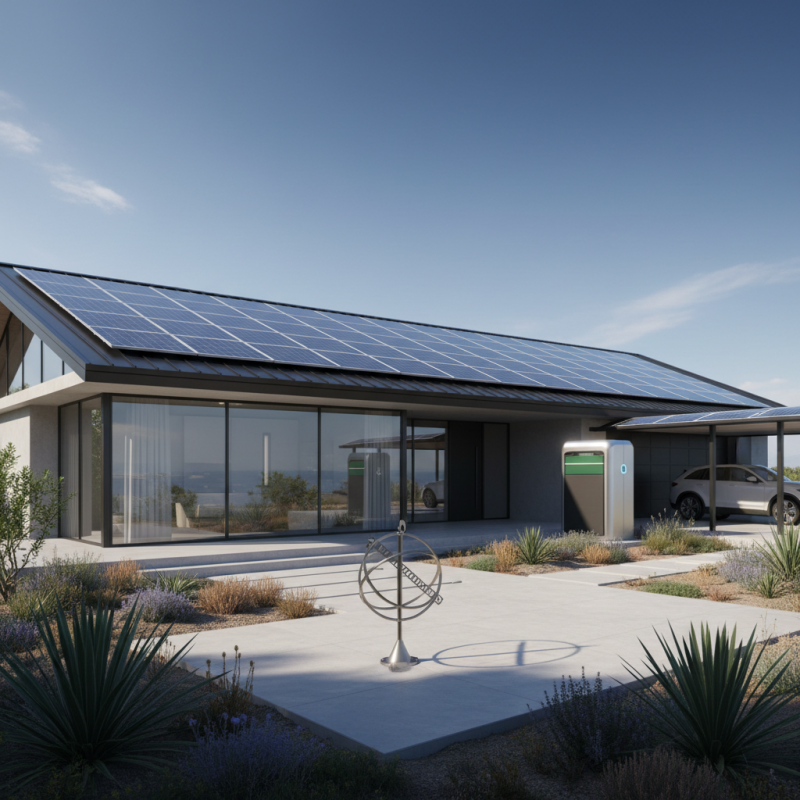
Understanding Solar Electricity and Its Benefits for Homeowners
Solar electricity is increasingly becoming a viable and attractive option for homeowners, especially as advancements in technology and supportive policies continue to drive down costs. According to a report from the International Renewable Energy Agency (IRENA), the global weighted-average cost of solar photovoltaics (PV) has fallen by approximately 82% since 2010. This dramatic decrease makes solar power more accessible, allowing more homeowners to benefit from renewable energy.
Embracing solar electricity not only contributes to environmental sustainability but also offers significant financial benefits. The U.S. Department of Energy reports that homeowners can save thousands of dollars in electricity bills over the lifespan of a solar system, which can last 25 years or more. Additionally, many states offer incentives such as tax credits and rebates, further improving the return on investment for solar panels. Furthermore, as the grid becomes increasingly decentralized, homeowners with their solar systems can enjoy greater energy independence, reducing vulnerability to fluctuating electricity prices and outages.
The integration of solar electricity into residential energy systems provides a pathway for homeowners to actively contribute to the transition towards a low-carbon future while reaping financial rewards. With energy policies promoting sustainability and advancements in battery storage technology enhancing solar energy reliability, the appeal of harnessing solar power for homes in 2025 is stronger than ever.
Assessing Your Home's Solar Energy Potential in 2025
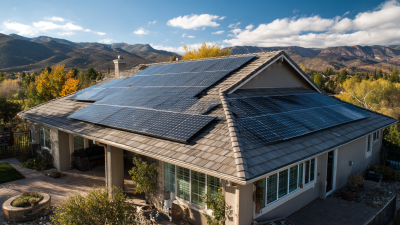
Assessing your home's solar energy potential in 2025 is a crucial first step in making the transition to solar electricity. Begin by evaluating your roof's orientation and pitch, as these factors significantly influence sunlight exposure throughout the day. Ideally, roofs facing south with a steep angle can capture maximum sunlight, while shaded areas or those facing north may not be suitable for solar panels. Consider conducting a professional solar assessment that utilizes tools like solar pathfinders to determine the amount of sunlight your space receives, accounting for seasonal variations.
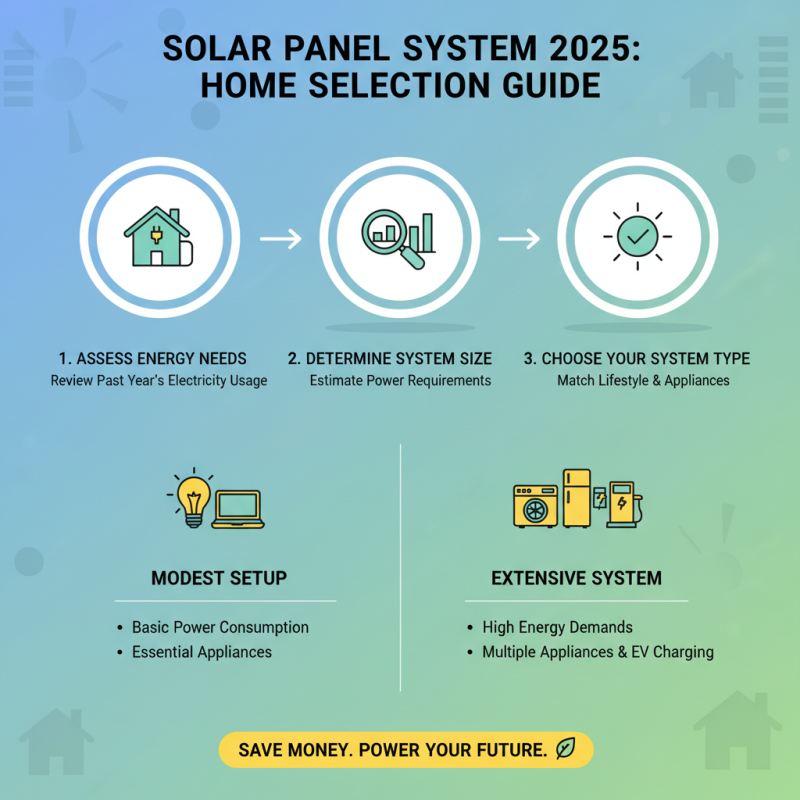
Next, take into account your energy consumption patterns. Understanding how much energy your household consumes on average will help in determining the size and number of solar panels needed. You can analyze past utility bills to get a clear picture of your energy usage, which will inform your decision-making process. Additionally, investigating local incentives or rebates for solar installation can further enhance your home's potential, making solar energy a more financially viable option. With the right knowledge and tools, homeowners in 2025 can effectively harness solar electricity, leading to long-term savings and a reduced carbon footprint.
Choosing the Right Solar Panel Systems for Your Needs
When choosing the right solar panel system for your home in 2025, it's essential to consider your specific energy needs and consumption patterns. Begin by evaluating your electricity usage over the past year, which will help you estimate the size of the system required to meet your demands. Understanding your energy requirements enables you to select a solar panel system that aligns with your lifestyle, whether you need a modest setup for basic power consumption or a more extensive system capable of powering multiple appliances.
Another important factor to consider is the efficiency and type of solar panels available on the market. High-efficiency panels convert a greater percentage of sunlight into electricity, making them ideal for homes with limited roof space. Additionally, consider the durability and warranty options provided for each panel type, as investing in reliable technology can enhance your long-term savings. By researching and comparing different solar panel systems, you can ensure that you choose a solution that not only fits your budget but also maximizes your energy output in the years to come.
Installing Solar Panels: Steps and Considerations
When considering the installation of solar panels for your home in 2025, the first crucial step is to assess your energy needs and roof suitability. Begin by analyzing your current energy consumption patterns and calculating how much solar energy you would require to offset your electricity bills. Evaluate the orientation and pitch of your roof to determine if it receives enough sunlight throughout the day. A south-facing roof with minimal shading is typically ideal for maximizing solar energy capture.
Once you've established that your home is suitable for solar panel installation, the next step involves navigating the installation process. Research local regulations and obtain necessary permits to ensure compliance with zoning laws and building codes. Selecting a reputable installer is essential; consider their experience, customer reviews, and warranty options on both the installation and the solar panels themselves. After installation, familiarize yourself with monitoring systems that track energy production and savings, ensuring you can effectively manage your solar energy system and maximize its benefits.
Annual Solar Energy Production vs. Energy Consumption (2025)
Integrating Solar Energy with Existing Home Systems and Appliances
Integrating solar energy into existing home systems and appliances is a powerful way to enhance energy efficiency and reduce overall utility costs. In 2025, homeowners will need to adopt smart energy management systems that can seamlessly connect solar power generation to household energy demands. This includes incorporating solar inverters that convert the direct current generated by solar panels into alternating current, making it usable for standard home appliances. Smart home technology will allow for real-time monitoring and optimization of energy usage, enabling homeowners to prioritize solar power during peak production hours.
Moreover, coupling solar energy with battery storage solutions will enable households to harness and store excess energy generated during sunny days for use during cloudy periods or nighttime. This integration will not only provide a consistent power supply but also increase resilience against grid outages. When combined with energy-efficient appliances, such as LED lighting and smart thermostats, the overall energy consumption of the home can be significantly lowered, leading to substantial savings on electricity bills while contributing to a sustainable future. By prioritizing the integration of these technologies, homeowners can fully leverage the benefits of solar electricity in their daily lives.
How to Harness Solar Electricity for Your Home in 2025 - Integrating Solar Energy with Existing Home Systems and Appliances
| Category |
System Type |
Energy Output (kWh/year) |
Approx. Cost ($) |
Integration Level |
| Solar PV Systems |
Rooftop Mounted |
9000 |
15,000 |
High |
| Solar Water Heating |
Active System |
3000 |
7,000 |
Medium |
| Battery Storage Systems |
Lithium-ion |
N/A |
10,000 |
High |
| Solar Appliances |
Solar Refrigerators |
2000 |
2,500 |
Medium |