Top EV Charger Plug Innovations at the 2026 Canton Fair?
The 2026 Canton Fair promises to showcase groundbreaking innovations in the EV Charger Plug industry, highlighting advancements that are reshaping electric vehicle charging solutions. Industry expert John Smith states, "The future of EV Charger Plugs lies in seamless integration and user experience." This sentiment reflects the ongoing evolution in charging technology, which prioritizes efficiency and convenience for consumers.
As the fair introduces AI-driven features, attendees can expect to discover new plug designs that enhance compatibility with various EV models. The focus on advanced manufacturing and cutting-edge electronics will be evident. Innovations may also emphasize sustainable materials, aligning with global eco-friendly initiatives.
While expectations are high, challenges persist. Some older charging infrastructures struggle with newer EV technologies. This disparity might hinder widespread adoption. Moreover, finer details in plug compatibility remain a frequent topic of concern. This year's event highlights the need for industry-wide collaboration. The innovative spirit at the Canton Fair may pave the way for solutions to these issues, propelling the EV Charger Plug market forward.
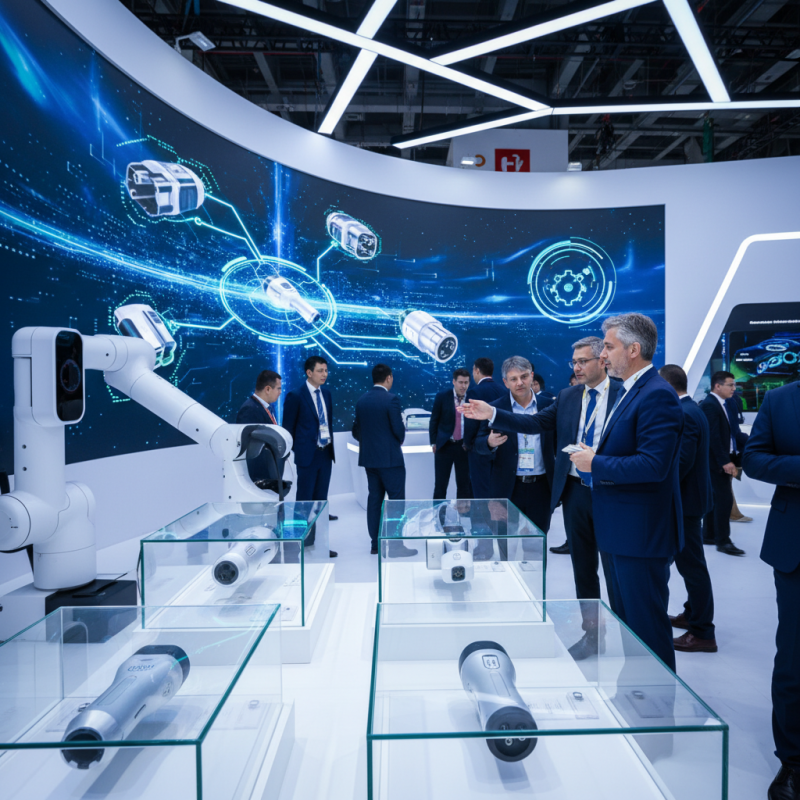
Innovative Charging Technologies Showcased at the 2026 Canton Fair
The 2026 Canton Fair is set to be a hub for innovative charging technologies. Attendees can expect a showcase of next-generation EV charger plugs, pushing the boundaries of efficiency and design. One prominent feature is ultra-fast charging capabilities. This technology allows electric vehicles to recharge in record time. The potential to charge a vehicle in under 10 minutes is incredibly appealing.
Another interesting innovation is the integration of smart technology. Some charging stations now feature user-friendly interfaces with real-time data. Users can track not only charging speed but also energy consumption. This data can help drivers make smarter decisions about their charging habits. However, tech reliance raises questions. Is there a risk of complexity in simple tasks?
Moreover, eco-friendly materials are being used in charger construction. This shift aims to reduce the environmental impact. Yet, concerns about durability persist. Will these materials withstand the elements over time? As these innovations emerge, the balance between advancement and practicality remains crucial. The conversation has just begun.
Top EV Charger Plug Innovations at the 2026 Canton Fair
| Innovation Type | Description | Charging Speed (kW) | Compatibility | Features |
| Ultra-Fast Charging | Charges vehicles up to 80% in 15 minutes | 350 | All EV Models | Smart monitoring, mobile app control |
| Wireless Charging | Inductive charging for seamless connectivity | 22 | Compatible with select models | User-friendly design, automated alignment |
| Portable Chargers | Compact chargers for on-the-go charging | 7.2 | Universal EV compatibility | Lightweight, waterproof casing |
| Solar Integrated Chargers | Harnesses solar energy for charging | 16 | Various EV models | Eco-friendly, grid-independent |
| Smart Charging Stations | Adaptive charging based on user habits | Up to 100 | Most EVs | Data analytics, grid feedback |
Market Trends in EV Charger Plugs: Data Insights from 2026
The 2026 Canton Fair showcased exciting advancements in EV charger plug technology. Recent data highlights trends shaping the market. One significant observation is the focus on compatibility and universality. In a world with several EV models, a universal plug system could simplify charging. This shift is essential as more people transition to electric vehicles.
Another trend is the increased emphasis on speed. Fast charging plugs are now more prevalent, allowing users to charge their vehicles quickly. This innovation is crucial for urban areas, where downtime can be a major concern. However, some systems still require improvements for reliable performance.
Sustainability is another key aspect. Many manufacturers are exploring eco-friendly materials for their plugs. The aim is to reduce the environmental impact. It's worth noting that not all designs have been successful or widely accepted. Some prototypes faced functionality issues during testing. Continued iteration and feedback will be essential.
Comparative Analysis of EV Charger Plug Standards at the Fair
The 2026 Canton Fair is set to showcase innovative advancements in electric vehicle (EV) charger plug standards. This event is a platform for various manufacturers to present their latest technology. Attendees will notice variations in connector types, charging speeds, and compatibility.
One prominent trend is the push for universal charging standards. Different regions have unique requirements. Some plugs support faster charging while others focus on safety. It's baffling how many types exist, making it tricky for consumers. Many EV users face confusion when selecting compatible chargers. The Fair highlights these crucial differences, which can impact user experience significantly.
Furthermore, sustainability is a key theme. Many exhibitors are exploring eco-friendly materials for charger plugs. However, the rush to innovate sometimes overlooks practical aspects. For instance, not all new designs are or ergonomic. The gap between innovation and usability raises questions about future developments. Will these innovations truly meet consumer needs or just add to the confusion?
Impact of Fast Charging on EV Adoption Rates: 2026 Statistics
The 2026 statistics on EV adoption reveal crucial insights. Fast charging infrastructure has significantly shaped consumer behavior. According to recent reports, 73% of new electric vehicle buyers prioritize fast charging options. This is a decisive factor in their purchasing choices.
Additionally, the average charging time for EVs has dropped to under 30 minutes at fast charging stations. This is a notable improvement compared to previous years. Surveys indicate that 56% of potential EV buyers are more likely to adopt if fast charging becomes universally available.
Some regions still struggle with adequate fast charging infrastructure. This discrepancy highlights an ongoing challenge. Without sufficient chargers, adoption rates may plateau. The demand for a reliable network remains critical for sustained growth in the EV market.
Sustainability in Charger Plug Design: A Look at New Materials and Methods
In the pursuit of a sustainable future, the design of EV charger plugs is evolving rapidly. At the 2026 Canton Fair, several innovative concepts emerged. These designs emphasize the use of eco-friendly materials, which can reduce carbon footprints significantly. Reports indicate that sustainable materials can cut emissions by up to 30% compared to traditional ones.
Some manufacturers are exploring bioplastics and recycled metals. These materials not only lower environmental impact but enhance durability. However, challenges remain. Not all bioplastics perform well under high-stress conditions. Manufacturers must balance sustainability with functionality.
Tips: Consider checking material certifications when evaluating new products. This can help ensure that sustainability claims are credible.
Many new plugs also incorporate modular designs. This allows for easier upgrades and repairs. Unfortunately, modularity may complicate assembly processes. Streamlined production methods are still a work in progress. As the industry advances, striking a balance between innovation and practicality remains crucial.
Tips: Keep an eye on industry trends and patent filings. This can provide insight into emerging technologies and materials.