What is a cooling tower and how does it work?
A cooling tower is an essential component in many industrial and HVAC systems. It helps maintain optimal operating temperatures for various processes. The primary function of a cooling tower is to dissipate heat from water through evaporation. As hot water enters the tower, it is cooled by air. This interaction creates a cycle that keeps systems running efficiently.
Understanding how a cooling tower operates is vital for those in the engineering and maintenance fields. There are different types of cooling towers, each with unique designs and purposes. Some are natural draft, relying on natural airflow, while others are mechanical, using fans to enhance circulation. Each type presents its own advantages and challenges.
Even with advanced technology, cooling towers are not perfect. Over time, issues like scaling and fouling can occur. Regular maintenance is crucial. As we explore the workings of cooling towers, we will also reflect on their environmental impact and efficiency. This understanding can lead to better designs and smarter usage in the future.
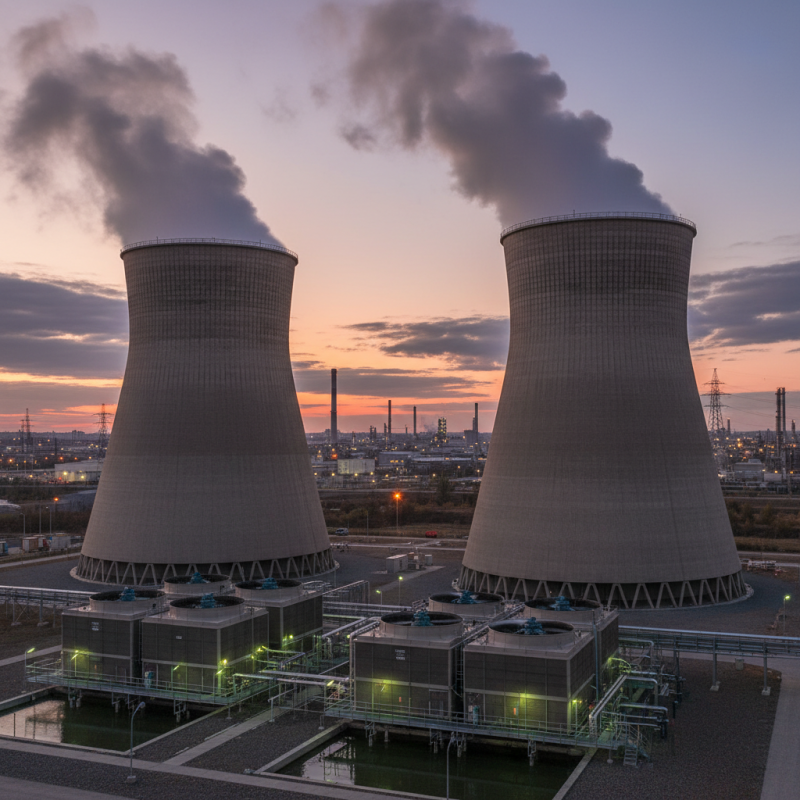
What is a Cooling Tower: Definition and Purpose
A cooling tower is an essential component in many industrial processes. It helps regulate temperature by dissipating heat. Essentially, it allows hot water from systems to cool down before being reused or released. The cooling tower works by circulating air and water, creating a heat exchange process. This functionality is vital in power plants, manufacturing, and HVAC systems, where temperature control is crucial.
The purpose of a cooling tower extends beyond mere temperature reduction. It also aids in improving efficiency and conserving resources. By lowering the water temperature, it can reduce the energy needed for heating and cooling throughout the system. However, maintenance is often overlooked. A dirty or poorly maintained tower can lead to inefficiencies. This presents a challenge for operators, as neglect can result in higher operational costs.
Even though cooling towers are effective, they are not without flaws. They can suffer from drift loss, where small droplets of water escape into the atmosphere. The environmental impact of this is sometimes understated. Careful monitoring and regular upkeep are necessary to minimize these issues and ensure optimal performance.
What is a Cooling Tower: Definition and Purpose
| Aspect | Description |
| Definition | A cooling tower is a heat rejection device that expels waste heat to the atmosphere through the cooling of a water stream to a lower temperature. |
| Purpose | Cooling towers are used in various industrial processes and HVAC systems to remove excess heat. |
| Types | There are two main types of cooling towers: open circuit and closed circuit cooling towers. |
| Mechanism | Heat is removed from the water as it is circulated through the tower, where it is exposed to ambient air, facilitating heat exchange. |
| Applications | Used in power plants, chemical plants, refineries, and commercial buildings for air conditioning systems. |
| Efficiency Factors | Factors such as water flow rate, air flow, temperature differences, and humidity can all impact the efficiency of a cooling tower. |
| Maintenance | Regular maintenance includes cleaning, checking for scale buildup, and ensuring proper water treatment to prevent corrosion. |
Types of Cooling Towers: Natural and Mechanical Draft
Cooling towers are vital in various industries. They help dissipate heat from processes or equipment. Understanding the types of cooling towers is essential for effective heat management.
Two main types exist: natural draft and mechanical draft. Natural draft cooling towers rely on buoyancy. Warm air rises, creating a natural airflow. These towers are often tall and cylindrical. Mechanical draft towers use fans to circulate air. They can be more compact and efficient. According to industry reports, mechanical draft towers account for approximately 75% of new installations in commercial cooling systems.
The choice between these types depends on many factors, including space and efficiency needs. Natural draft towers can have higher initial costs. However, they often require less maintenance. Mechanical draft towers are easier to control but may consume more energy. Each type has its pros and cons, emphasizing the importance of careful selection.
The Basic Principles of Cooling Tower Operation
Cooling towers are essential in various industrial applications. They operate on basic principles of heat exchange. The main goal is to remove excess heat from water, primarily generated by cooling systems. This helps maintain optimal performance in energy production and manufacturing processes.
The cooling tower works through evaporative cooling. Water is circulated through the tower, where it meets air. As warm water descends, some evaporates, effectively cooling the remaining water. Data indicates that this process can achieve cooling efficiencies of 80% or higher. However, this system can lead to challenges. For example, evaporation rates can fluctuate due to environmental conditions. This variability affects performance consistency and operational reliability.
Regular maintenance is crucial for preventing scaling and microbial growth, which can compromise efficiency. An industry report highlighted that poorly maintained towers could result in up to a 30% decrease in cooling effectiveness. These factors underline the importance of monitoring and adjusting operational parameters. The balance between efficiency and maintenance requires continual assessment.
Key Components of a Cooling Tower
Cooling towers play a critical role in industrial cooling processes. They help remove excess heat from various systems. Understanding their key components is vital for efficient operation.
A cooling tower consists of several essential parts. The fill material increases the surface area for heat transfer. Hot water enters the tower and flows over the fill. As the water trickles down, it interacts with air. This process allows heat to dissipate into the atmosphere. Fans then enhance airflow, accelerating heat removal.
Water pumps circulate water through the tower. The basin collects cooled water, ready to return to the system. Drift eliminators reduce water loss into the air. Maintenance is crucial; fouling can reduce efficiency. Regular cleaning is necessary to maintain optimal performance.
Tips: Monitor system temperatures frequently. This can help identify inefficiencies early. Also, consider a water treatment program to prevent scale buildup. It’s easy to overlook routine checks, but neglecting maintenance can lead to costly repairs. Pay attention to every component to ensure smooth operation.
Cooling Tower Efficiency by Water Temperature
This chart displays the efficiency of a cooling tower based on the temperatures of inlet and outlet water, as well as the surrounding ambient temperature. The better the tower performs, the lower the water outlet temperature will be compared to the inlet temperature.
Applications of Cooling Towers in Various Industries
Cooling towers play a crucial role across many industries. In power generation, they regulate water temperature for efficiency. They handle excess heat from turbines. This helps in maintaining optimal performance levels. Without efficient cooling, energy output can drop significantly.
In the chemical industry, cooling towers are essential too. They help control the temperatures of chemical processes. Inadequate cooling can lead to dangerous situations. This involves risks like overheating or even equipment failure. Therefore, regular maintenance and monitoring are vital to prevent mishaps.
In urban settings, cooling towers are also used in HVAC systems. They cool down air for large buildings. Proper airflow and maintenance can prevent mold growth. However, neglect in upkeep can lead to inefficiencies and potential health risks. Many facilities overlook small issues until they escalate. Robust management systems are needed for effective operations.