What is Clean Energy and How Can It Benefit Your Business?
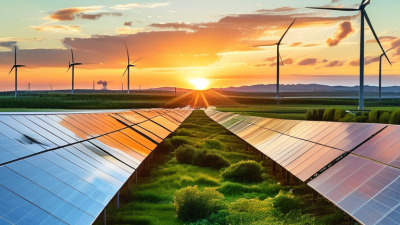
Clean energy is transforming the way businesses operate. It refers to energy generated from renewable sources like wind, solar, and hydro. This shift can offer significant benefits to companies. By adopting clean energy, businesses can reduce their carbon footprint and lower energy costs.
Many organizations are exploring clean energy solutions today. They seek sustainable practices that meet both economic and environmental goals. Companies that embrace clean energy often gain a competitive edge. They show commitment to environmental stewardship, which can enhance brand reputation. However, the transition can be challenging. Businesses must navigate initial installation costs and regulatory requirements.
Despite these hurdles, investing in clean energy is a forward-thinking choice. It fosters innovation and encourages efficiency. Moreover, the growing demand for renewable energy can lead to new market opportunities. As more companies prioritize sustainability, the question remains: is your business ready to adapt?
Definition of Clean Energy and Its Types
Clean energy plays a vital role in our transition to a sustainable future. It refers to energy derived from renewable resources like sunlight, wind, rain, and geothermal heat. These sources are continuously replenished, making them more reliable than fossil fuels. According to the International Renewable Energy Agency (IRENA), renewable energy can account for more than 80% of the world's energy supply by 2050. This transformation is not only ideal for the planet, but it can also be a game-changer for businesses.
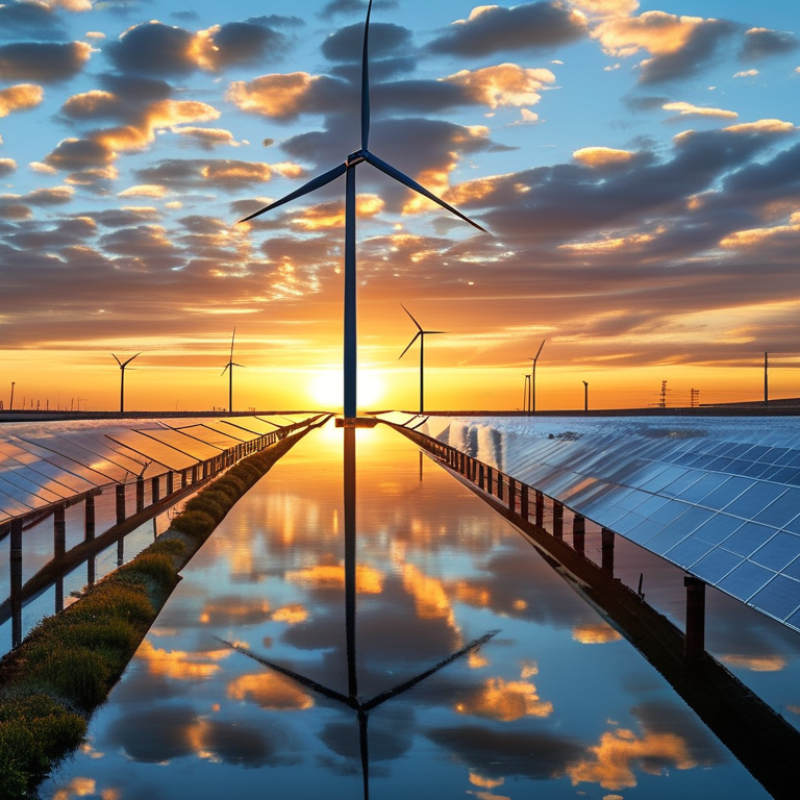
Solar and wind energy are two primary types of clean energy. Solar technology harnesses sunlight, converting it into electricity. The U.S. Department of Energy reports that solar energy could power 30% of the United States’ electricity by 2030. Wind energy, on the other hand, uses turbines to capture wind power. The Global Wind Energy Council estimates that global wind power capacity reached 743 GW in 2020, showcasing its rapid growth. These energy types offer cost-effectiveness and resilience, but transitioning requires investment and commitment. Not every business can make this shift seamlessly.
The journey towards clean energy can expose challenges. Installation and maintenance costs may seem high initially. Understanding local regulations and incentives can be complicated. Yet, the long-term benefits often outweigh these hurdles. The potential for reduced operating costs and enhanced corporate image is significant. Clean energy offers not just a path to sustainability, but also a strategic advantage in a competitive market.
Clean Energy Usage by Sector in 2023
This chart displays the percentage of clean energy usage across different sectors in 2023. Clean energy sources are increasingly being adopted, showcasing their importance in reducing carbon footprints and promoting sustainable business practices.
Benefits of Clean Energy for Businesses
Clean energy offers numerous benefits for businesses. Transitioning to renewable sources, like solar and wind, can significantly reduce operational costs. According to the International Renewable Energy Agency, companies that invest in clean energy can see reductions in energy expenses by up to 30%. This shift not only enhances profit margins but also leads to a smaller carbon footprint, appealing to eco-conscious consumers.
Moreover, clean energy can enhance a company's reputation. A recent survey from Stanford University indicated that 70% of consumers prefer brands that actively engage in sustainability practices. By adopting green energy solutions, businesses can strengthen their market position. However, challenges remain. The initial investment can be substantial and might deter some companies. Additionally, the technology and infrastructure may require updates, raising questions about feasibility and long-term benefits.
Investing in clean energy also attracts talent. Many employees today value sustainability. According to a Gallup report, 50% of job seekers prioritize companies that commit to renewable energy. Hiring and retaining motivated staff can lead to increased productivity. However, companies must continually educate their workforce about these changes. Balancing transition costs with long-term gains presents an ongoing challenge that businesses must carefully navigate.
Economic Advantages of Transitioning to Clean Energy
Transitioning to clean energy can significantly enhance your business's economic landscape. Adopting renewable sources reduces reliance on fossil fuels. This shift leads to lower energy bills and predictable costs. Businesses can save money and improve their bottom line by harnessing solar or wind energy.
Consider energy efficiency upgrades. Installing smart thermostats and LED lighting can reduce consumption. This approach not only cuts costs but also lessens your environmental impact. Many businesses overlook simple changes. Small modifications can yield big savings over time.
Investing in clean energy also opens doors to new markets. Consumers increasingly prefer sustainable brands. Businesses can boost their reputation and attract eco-conscious customers. The transition may require upfront investment. Yet, the long-term savings and brand loyalty often outweigh initial costs. Always assess your energy needs carefully. Stay informed about local incentives too, as they can offset expenses.
What is Clean Energy and How Can It Benefit Your Business? - Economic Advantages of Transitioning to Clean Energy
| Aspect |
Description |
Economic Impact |
| Reduced Operating Costs |
Utilizing renewable energy sources can lead to significant reductions in energy bills. |
Savings of 20-50% on energy expenses over time. |
| Tax Incentives |
Many governments offer financial incentives and tax breaks for businesses adopting clean energy. |
Potential savings of up to 30% on initial investment through tax credits. |
| Brand Reputation |
Businesses that embrace sustainability often enjoy enhanced brand loyalty and customer trust. |
Increased sales by 10-25% due to improved customer perceptions. |
| Job Creation |
Investing in clean energy creates jobs in installation, maintenance, and technology sectors. |
Potential to create 1.5 million new jobs in the clean energy sector by 2030. |
| Energy Independence |
Reducing reliance on imported fuels enhances security and stability. |
Long-term savings and stabilization of energy prices. |
Challenges and Solutions in Adopting Clean Energy
Adopting clean energy presents various challenges for businesses, including upfront costs and technological adaptations. According to a report by the International Renewable Energy Agency, transitioning to clean energy can initially require significant investment, making it daunting for small and medium enterprises. Businesses need to evaluate their financial capabilities before implementing changes, as the return on investment may take time.
Another barrier is the limited availability of skilled professionals. A study from the International Energy Agency highlights that workforce shortages can hinder the integration of clean technology. Businesses must consider training current employees or collaborating with educational institutions to bridge the skills gap.
Creating a detailed action plan is essential for a smooth transition. Identify specific clean energy goals and a timeline. Research available incentives or grants in your region to ease the financial burden. Building partnerships with other businesses can also foster shared resources and knowledge. Engaging with community-based clean energy projects may provide additional support while enhancing local relationships.
Future Trends in Clean Energy and Business Opportunities
As businesses face escalating energy costs and environmental regulations, clean energy emerges as a viable alternative. Major sectors are exploring opportunities in solar, wind, and bioenergy. Companies are investing in renewable sources to reduce dependence on fossil fuels. This shift not only lowers operational costs but also enhances brand reputation among eco-conscious consumers.
Future trends indicate that clean energy adoption will accelerate. Battery storage technology is making renewables more reliable. Artificial intelligence can optimize energy management, reducing waste. However, transitioning to clean energy is not without challenges. Initial investments can be high, and infrastructure may lag. Businesses need to carefully analyze costs versus long-term savings. Maintaining flexibility in energy strategies is essential as new technologies develop.
Investing in clean energy can provide solid business opportunities. Companies can capitalize on government incentives for sustainability projects. Organizations may find partnerships with green startups beneficial. As the market evolves, businesses that adapt quickly will likely thrive. Comparing various energy solutions and reflecting on organizational goals is crucial for success.