How to Choose the Best Cast Iron Skillets for Sale?
When searching for cast iron skillets for sale, it can be overwhelming. The options seem endless, and each skillet has its unique features. A good cast iron skillet is a versatile tool for any kitchen. With proper care, it can last a lifetime or more.
Choosing the right skillet requires some thought. Are you looking for a specific size or brand? Consider the weight of the skillet, as it affects its performance. A heavier skillet tends to provide better heat retention. The finish of the skillet also matters. Smooth surfaces are easier to clean, while rough surfaces can enhance seasoning.
It's easy to overlook important details. Pay attention to the handles; they should be sturdy and easy to grip. Sometimes, sellers may not provide enough information about their products. Always seek trusted brands that offer warranties. In the end, the perfect cast iron skillet should not only meet your cooking needs but also inspire confidence in its durability.
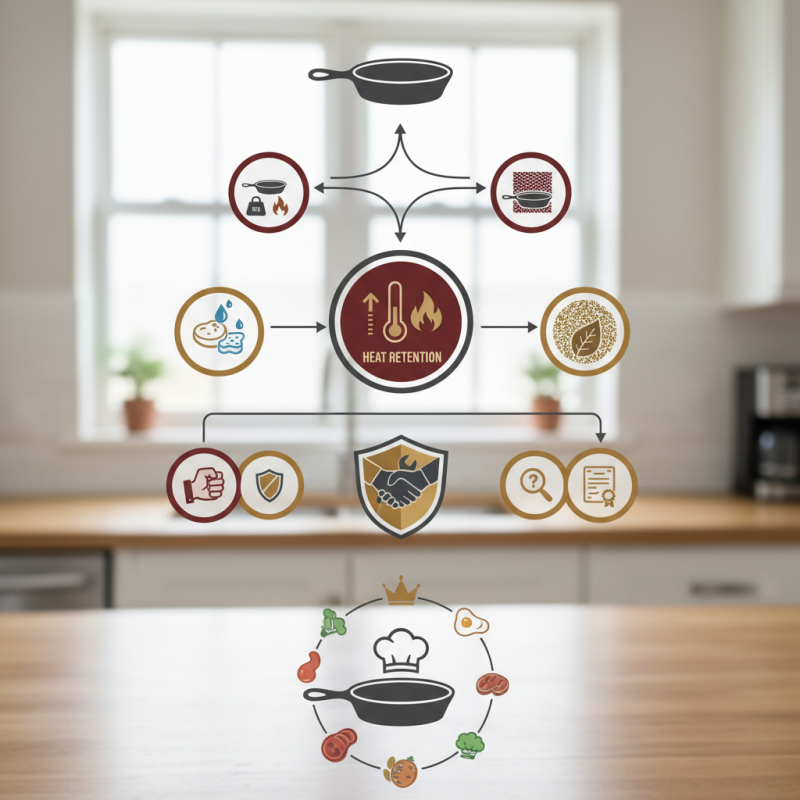
Factors to Consider When Choosing Cast Iron Skillets
When selecting the best cast iron skillets, several factors are crucial. One of the most important is weight. A heavier skillet often provides better heat retention and even cooking. According to industry reports, skillets around 10-12 inches typically weigh between 5 to 7 pounds, which is ideal for most cooking tasks.
Another factor is the seasoning. Properly seasoned skillets develop a non-stick surface over time. Many experienced cooks recommend starting with a pre-seasoned option. However, maintenance is key. Regular seasoning and care can enhance the skillet's lifespan. Remember, not all skillets come with the same seasoning method, so check for details before purchasing.
Tips: Look for a skillet with a smooth cooking surface. Uneven surfaces can lead to hot spots and burning. A well-rounded skillet should have sturdy handles for a secure grip. Ensure they can withstand high oven temperatures.
Finally, consider the skillet's compatibility with various cooktops, including induction. The versatility of cast iron can make it a valuable addition to your kitchen.
Different Types of Cast Iron Skillets and Their Uses
When choosing a cast iron skillet, understanding its types is crucial. There are two main varieties: smooth and textured surfaces. Smooth skillets heat evenly and are great for making delicate dishes like pancakes. Textured skillets, on the other hand, provide better food release, making them ideal for searing meats.
Another important type is the enameled cast iron skillet. This type requires less seasoning and is easier to clean, making it a popular choice for many home cooks. However, you’ll find that enameled skillets often weigh more, which might be a concern for some. Weighing the pros and cons of each type can feel overwhelming. The right choice depends on your cooking style and experience level.
Think about what dishes you frequently prepare. If you enjoy baking cornbread or frying chicken, a good seasoned skillet is invaluable. However, if you want a versatile tool for many tasks, an enameled skillet offers flexibility. It’s essential to reflect on your needs and preferences. The best skillet is one that complements your culinary journey.
Comparison of Different Types of Cast Iron Skillets
Understanding the Importance of Weight and Size in Skillets
When choosing a cast iron skillet, understanding weight and size is crucial. A heavier skillet usually retains heat better. This allows for more even cooking. However, it can be cumbersome for some. Lifting a heavy skillet may cause strain over time. So, consider your comfort level during use.
Size matters as well. A smaller skillet is great for individual servings. It heats up quickly and is easy to manage. On the other hand, a larger skillet allows for cooking bigger meals. But it takes more space on your stovetop and in your storage. Finding the right balance between these factors is vital.
It's important to reflect on your cooking habits. Do you often cook for a crowd? Or do you usually make meals for one? Your answer will guide you in selecting the right skillet. Choose a comfortable weight and appropriate size for your lifestyle. This investment in a quality skillet should cater to your specific needs without becoming a burden.
Evaluating Seasoning and Maintenance Needs of Cast Iron Skillets
Choosing the right cast iron skillet involves more than just aesthetics. One crucial aspect to consider is seasoning. Properly seasoned skillets offer a natural non-stick surface. According to industry data, skillets that are regularly seasoned can last up to 100 years with the right care. However, not all skillets come pre-seasoned. This requires additional time and effort, which some may find daunting.
Maintenance is another significant factor. Cast iron skillets require careful handling and cleaning. Experts recommend handwashing with minimal soap and drying them immediately to prevent rust. Interestingly, 30% of cast iron owners report that improper care leads to rust and deterioration. Regular oiling can help maintain the seasoning layer, but this can be overlooked. Ignoring these steps can compromise both performance and longevity.
While cast iron skillets are celebrated for their durability, they can be a double-edged sword. Many users admit to underestimating the importance of consistent maintenance. Rather than scrubbing too hard, a gentle scrub often suffices. This delicate balance between care and usage is essential. Without proper attention, even a high-quality skillet can fall into disrepair.
How to Choose the Best Cast Iron Skillets for Sale? - Evaluating Seasoning and Maintenance Needs of Cast Iron Skillets
| Features | Importance | Maintenance Level | Seasoning Ease |
| Weight | High | Moderate | Medium |
| Surface Smoothness | High | Low | High |
| Handle Comfort | Medium | Low | Medium |
| Compatibility with Induction Cooktops | Medium | High | Low |
| Durability | High | Medium | Medium |
Comparing Price Points and Brand Reputation for Quality Selection
When selecting cast iron skillets, understanding price points and brand reputation is essential. The cast iron market has seen a 15% growth in recent years, reflecting rising consumer interest. Quality skillets often fall within the $30 to $200 range. Higher prices typically indicate better craftsmanship and durability. However, not all expensive skillets guarantee superior performance.
Tips: Look for skillets with a smooth surface. A well-seasoned pan increases longevity. Test the weight; heavier skillets retain heat more effectively.
Brand reputation plays a critical role. Research shows that products from reputable companies tend to have lower return rates, around 5% compared to 15% for lesser-known brands. Reviews provide insight into user experiences, highlighting issues like uneven heating or rusting. However, be cautious of biased reviews that can skew your perspective.
Tips: Check the warranty policy before purchasing. A longer warranty signifies confidence in the product's durability. Regular maintenance can enhance the skillet's lifespan and cooking performance. Always consider your cooking needs before committing to a skillet.