How to Choose Steel Metal Doors for Your Home?
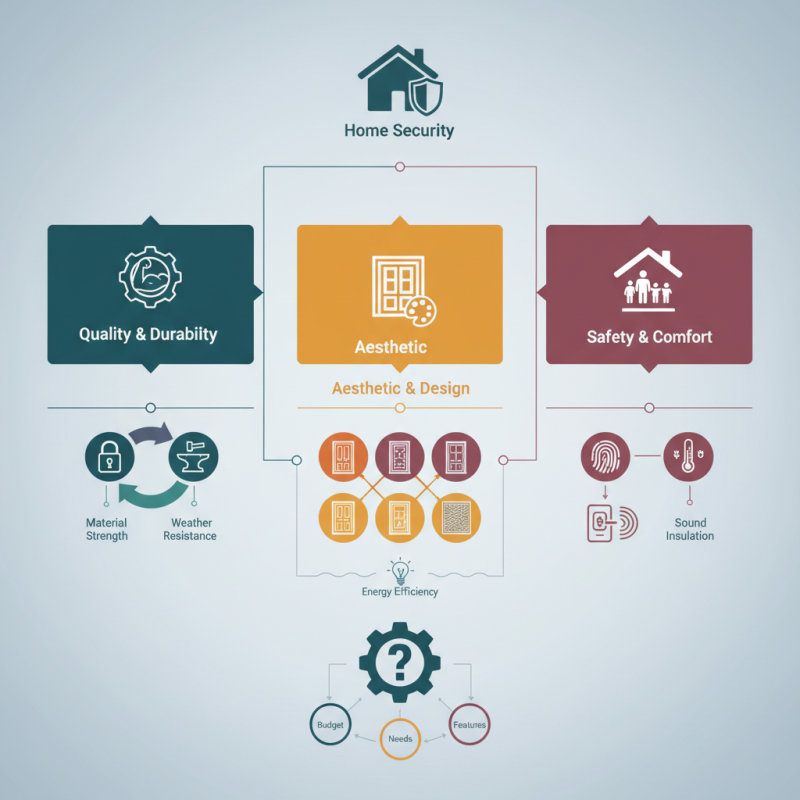
Choosing the right Steel Metal Doors for your home can be a daunting task. Experts in the industry, like John Smith, emphasize, "Quality and durability are paramount when selecting steel doors." The right choice impacts your home's security, energy efficiency, and overall aesthetic appeal.
Steel Metal Doors come in various styles and finishes. This variety can make the decision process overwhelming. It’s important to think about what fits best with your home’s design. Consider the door's insulation properties as well as its ability to withstand the elements. Some doors might look great but fail in performance.
Moreover, purchasing Steel Metal Doors is not just a financial investment. It’s also about safety and comfort. Homeowners often overlook the importance of weighing these factors. Reflect on your needs and the door’s features before making a decision. Choosing wisely can lead to a more functional and secure home environment.
Understanding the Benefits of Steel Metal Doors for Home Security
Steel metal doors are becoming increasingly popular for home security. They offer unmatched strength and durability. A report by the National Association of Home Builders indicates that about 50% of break-ins occur through doors. Steel doors can significantly reduce this risk.
Choosing the right steel door can be tricky. Look for doors with at least 24-gauge steel. This thickness offers better resistance to impacts. High-quality doors usually feature a foam core for insulation. This also adds to their strength. Some steel doors come with a warranty, but it’s essential to read the fine print. Not all warranties cover damage from attempted break-ins.
Homeowners often overlook the importance of good locks. Even the best doors can be compromised with weak locks. Ensure you choose a door handle with deadbolt locks. This combination enhances security. Finish your door with a solid frame to improve stability. After installation, check for any gaps. Small weaknesses can be exploited. A well-installed steel door, however, can deter most intruders and provide peace of mind.
Evaluating Energy Efficiency Ratings of Steel Doors in Residential Use
When selecting steel doors for your home, energy efficiency is crucial. Steel doors can effectively insulate your home, reducing heating and cooling costs. Look for doors with high energy efficiency ratings. These ratings often indicate how well a door can keep temperatures stable inside your home.
Many doors come with an R-value, which measures thermal resistance. Higher R-values mean better insulation. However, some steel doors may appear efficient but lack proper installation. Gaps at the edges can lead to heat loss. Even a small crack can decrease energy efficiency significantly.
Always consider the door's core material. A solid core tends to provide better insulation compared to a hollow core. But sometimes, this may not be immediately obvious. It's important to check specifications carefully. You might feel tempted to choose the most attractive option, but always prioritize efficiency first.
Selecting the Right Gauge for Steel Doors: A Guide to Durability
When selecting steel doors, gauge is crucial. The gauge number indicates the thickness of the metal. Lower numbers mean thicker doors. A 20-gauge steel door is robust, while a 24-gauge door is less durable. Consider the climate in your region. In harsh weather, thicker doors provide better insulation and security.
Tips:
- Assess how often the door will be used. High traffic may require a thicker gauge.
- Look for doors that can resist dents and corrosion.
- Spending a bit more on a better gauge can save money on repairs.
Think about your home's style too. A thicker door may look bulkier against a sleek modern design. Ensure it fits well with your decor. Always remember to check the hardware. The best door needs good locks and hinges to function well.
Comparing Different Finishes and Styles for Aesthetic Appeal
Choosing the right finish and style for your steel metal doors greatly enhances your home’s aesthetic appeal. Recent data from the Steel Door Institute highlights that over 70% of homeowners report increased satisfaction with customized finishes. Options range from sleek, modern designs to classic, ornate styles. This variety allows homeowners to match their doors with existing architecture.
Finishes also play a vital role. A powder-coated finish can resist corrosion and rust, extending the door's life. A recent survey indicated that 65% of homeowners prefer this finish for durability. On the other hand, painted metal doors offer versatility. However, paint can chip or fade, leading to potential maintenance issues. Homeowners might overlook this aspect, but it’s crucial to balance appearance with long-term upkeep.
Style matters too. Flat doors can give a minimalist look, while embossed styles provide texture. Reportedly, homes with textured doors see a 20% increase in curb appeal. Aesthetic choices may clash with practicality. Relying solely on trends might result in a mismatched style that doesn’t suit the overall home design. Reflecting on personal taste alongside practicality is essential in making the best choice.
Comparison of Steel Metal Door Finishes and Styles
Assessing Installation Options and Costs for Steel Metal Doors
Choosing steel metal doors for your home involves careful consideration, especially regarding installation options and costs. On average, a basic steel door can cost between $300 to $800, depending on size and features. Installation fees can vary significantly, with labor costs typically ranging from $100 to $300. Always assess your unique needs before deciding.
Tips: Measure your door frame accurately. Ensure it’s square and level. This precision estimates costs better.
Consider various installation methods. A pre-hung steel door may offer ease, as it comes with a frame included. Alternatively, you might choose to replace just the door slab, which can save money. But, not every door fits every frame. Research estimates that improper installation can reduce a door's lifespan by up to 50%. Reflect on your skills if you attempt a DIY approach.
Tips: Review local building codes. Ensure your installation aligns with safety standards.
Before finalizing your choice, weigh the pros and cons. Steel doors offer durability and security but may dent easily. They can also become hot in sunlight. Understanding these factors can help you make the best choice for your home. Reflect on maintenance; regular checks can prevent issues.