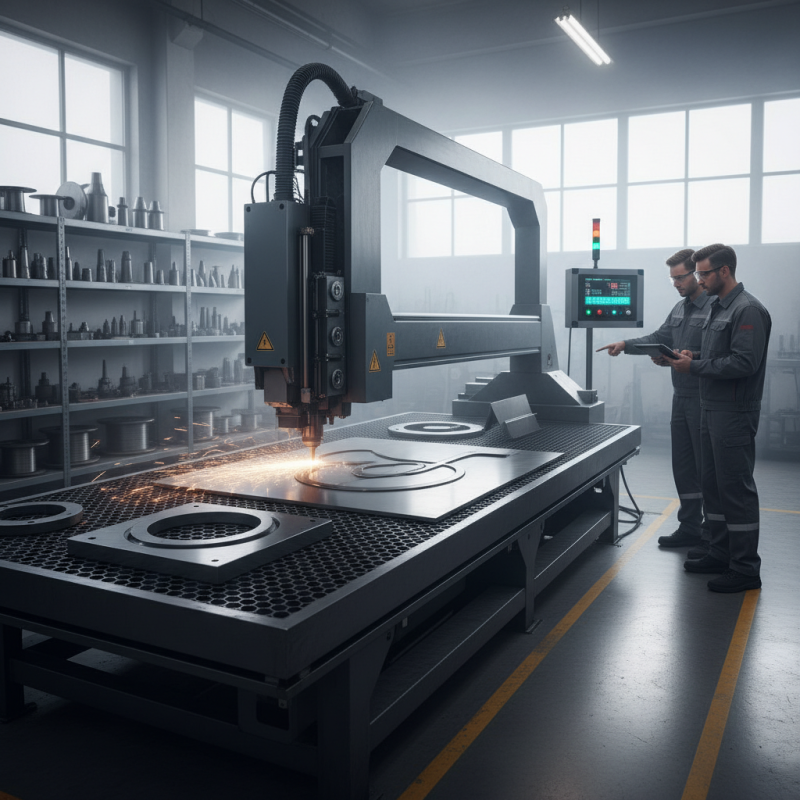
How to Choose the Best Waterjet Cutting Machinery for Your Needs?
Choosing the right waterjet cutting machinery can be challenging. With various options in the market, it's easy to feel overwhelmed. Each machine offers unique features and capabilities designed for specific tasks.
Think about your requirements carefully. Do you need precision cuts for intricate designs? Or perhaps you prioritize speed for larger projects? The right choice impacts productivity and quality.
Consider the machine's specifications. Water pressure, cutting speed, and nozzle types all affect performance. Reflect on your budget as well. A higher price does not always guarantee better results. Investing time in research is crucial. Avoid rushing the decision. Finding the perfect waterjet cutting machinery will ultimately enhance your projects.
Understanding Waterjet Cutting Technology and Its Applications
Waterjet cutting technology has revolutionized various industries. It utilizes high-pressure water mixed with abrasives to cut through materials. This method allows for precision and minimal heat-affected zones, making it ideal for sensitive materials. According to industry reports, waterjet systems can achieve cutting tolerances of ±0.005 inches, which is crucial for high-stakes manufacturing.
When selecting waterjet machinery, consider your application. Abrasive waterjet cutting excels with metals, glass, and composites. For softer materials like foam or rubber, pure waterjet cutting is effective. Understand the thickness of the material you will be using. Industry standards indicate that waterjets can cut materials as thick as 12 inches. However, efficiency may drop with increasing thickness.
Tips: Evaluate the total cost of ownership. This includes maintenance and operating costs. A cheaper machine might lead to higher expenses over time. Additionally, consider the level of support offered by the manufacturer. Reflect on your long-term production needs. Investing in a versatile machine can be beneficial, but don't overlook the immediate workload. Make informed choices to avoid future regrets.
Identifying Your Specific Cutting Needs and Material Types
When considering waterjet cutting machinery, identifying specific cutting needs is crucial. Different projects require different approaches. Some materials are soft, while others are hard. For instance, metals like steel require different settings compared to softer materials like foam or fabric. Understanding the type of material will help you choose the right machine.
Take time to evaluate the thickness of the materials you’ll be working with. Thicker materials will need more powerful machinery. You might also reflect on the intricacy of your designs. Complex shapes could lead to more wear and tear on the cutting equipment. Consider whether you need high precision or if a faster cut suffices. Balancing between precision and speed might be challenging.
In addition, think about the production volume. A project with high demands may require a machine that operates continuously. Emphasize your specific requirements, but do not overlook the flexibility of the machine. You might face some trial and error in choosing the best fit. An adaptable machine could ultimately save you from investing in multiple pieces of equipment.
Evaluating Key Features of Waterjet Cutting Machinery
When selecting waterjet cutting machinery, evaluating key features is crucial to meet specific needs. The cutting pressure is one such feature. Most systems operate between 30,000 to 90,000 psi, impacting material cut quality. Research shows that a pressure of 60,000 psi leads to smoother edges and less material waste, a critical consideration in precision industries.
Another important aspect is the type of waterjet technology used. Abrasive waterjets can cut through hard materials like metal or stone. Conversely, pure waterjets work best for softer materials such as foam and rubber. Industry reports indicate that 70% of manufacturers preferred abrasive waterjets for diverse applications. Ensuring the right nozzle size and type is also essential. Using the correct nozzle can enhance efficiency and reduce production costs.
It's easy to overlook maintenance needs. Regular upkeep can prevent downtime and ensure cutting accuracy. Many users underestimate the frequency of maintenance required. A study reveals that nearly 40% of waterjet users experience performance drops due to inadequate maintenance practices. Understanding these key features allows for informed decisions that best align with operational demands.
Waterjet Cutting Machinery Feature Evaluation
Comparing Different Brands and Models of Waterjet Cutters
When choosing the right waterjet cutting machine, it’s essential to compare various brands and models. Each machine offers unique specifications that cater to different needs. For example, some models excel in speed, while others focus on precision. This makes it vital to assess your specific requirements before making a decision.
Consider the materials you’ll be cutting. Not all machines handle every material equally well. Some brands feature advanced technology that tackles tough materials, yet they might come at a higher price. Meanwhile, certain budget-friendly models might struggle with thicker or denser materials. Take this into account when evaluating options.
Examine user reviews and feedback. Real-world experience can highlight both strengths and weaknesses of each model. You may find that a highly rated machine has consistent issues with certain materials. This could affect your workflow. Don't overlook these insights; they provide valuable information beyond the manufacturer's claims. Make sure to weigh these factors against your operational needs for a well-rounded decision.
Assessing Budget and Maintenance Considerations for Your Purchase
When choosing waterjet cutting machinery, budget and maintenance are key factors. Assess your budget carefully. Waterjet systems come with varying costs. You might find cheaper models, but they may lack essential features. Can you afford the initial investment? Don’t forget to include installation costs. Ongoing expenses can add up over time, so plan wisely.
Maintenance is another crucial aspect. Regular maintenance ensures optimal performance. Some machinery requires more attention than others. You’ll need to consider if you have the skills for basic upkeep. Hiring professionals for repairs can increase costs. Think about the availability of spare parts too. Easy access can save you time and stress.
Reflecting on your needs is important. What materials will you cut? Different setups align with different tasks. A more capable machine might seem ideal but could be overkill for simple jobs. Balancing capabilities with your specific needs is essential. This consideration can help ensure you invest wisely.