How to Choose the Best Panneau Wpc for Your Project?
Choosing the right Panneau Wpc for your project can be daunting. With various options on the market, it's crucial to understand your needs. Industry expert John Smith states, "The right Panneau Wpc can transform a project, but choosing wisely is essential." His experience highlights the importance of selecting quality materials.
When considering Panneau Wpc, assess factors like durability, aesthetics, and budget. Look for options that withstand weather changes and provide a long lifespan. A beautiful finish can enhance your project's appeal. However, remember that not all products meet high standards. Some may disappoint in quality, leading to regret later.
Think about your specific use cases. Are you building a deck, fence, or landscaping feature? Each application has unique requirements. It's essential to ensure the selected Panneau Wpc aligns with your vision and longevity expectations. Failure to do so might result in unnecessary costs and labor in the future. Take your time to research, compare choices, and make an informed decision.
Understanding Panneau WPC and Its Applications
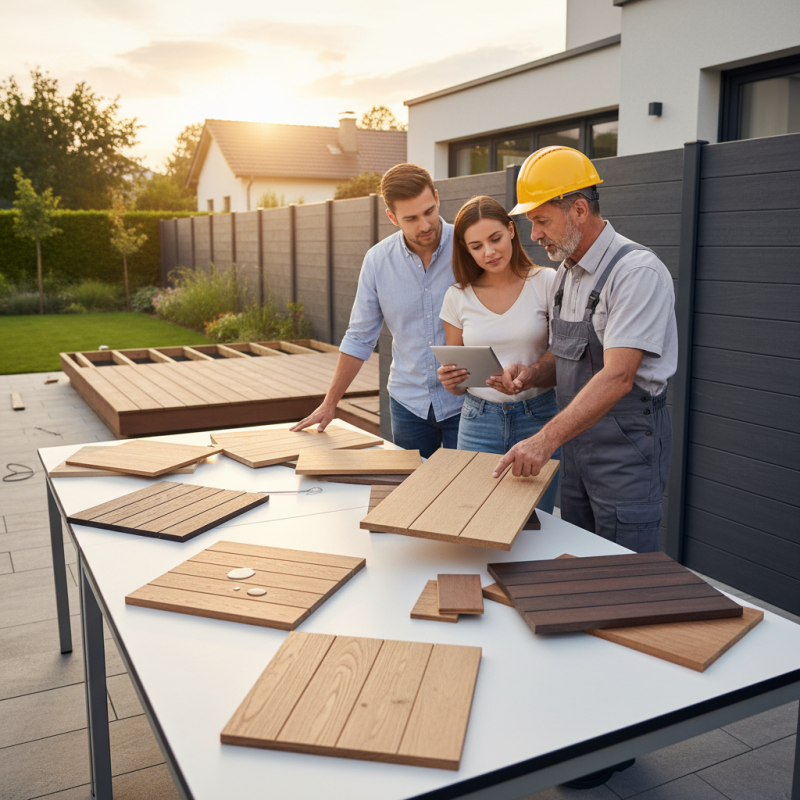
Panneau WPC, or Wood Plastic Composite, is a versatile material used in various applications. It combines wood fibers and plastic, offering durability and resistance to weather. This makes it ideal for outdoor projects like decking, fencing, and siding. The blend of materials ensures a lightweight yet sturdy product that can withstand the rigors of nature.
Understanding its applications is crucial in choosing the right panneau WPC for your needs. For example, outdoor furniture requires high UV resistance, while wall cladding should focus on aesthetics and protection. Some products may appear attractive, but their performance can be less than stellar. It is essential to assess the balance of functionality and appearance.
Considering your project's specific requirements helps in making an informed decision. Researching different types and their intended uses is vital. Reach out to experts or forums for insights. Remember, not all panneau WPC options are created equal, so reflect on what factors matter most for your unique situation. Prioritizing quality over cost can lead to better long-term satisfaction.
Factors to Consider When Selecting Panneau WPC
Choosing the right Panneau WPC (Wood Plastic Composite) for your project involves several important factors. Start by considering the purpose of your project. Will it be exposed to harsh weather? If so, look for panels with enhanced durability. Ensure they can withstand moisture and UV rays.
Another key factor is the desired aesthetics. Panneau WPC comes in various colors and textures. Think about how the panel will blend with the surrounding environment. A wood-like finish may enhance the natural look. However, a sleek, modern style might suit contemporary settings better.
Lastly, consider the installation process. Some panels require specific tools or skills which could increase your project’s timeline and cost. Check for compatibility with your existing structures. Reflect on potential challenges during installation. Selecting the right Panneau WPC takes thoughtful consideration of these elements to achieve your desired outcome.
How to Choose the Best Panneau WPC for Your Project? - Factors to Consider When Selecting Panneau WPC
| Factor | Description | Importance |
| Material Composition | Check the ratio of wood to plastic as it affects durability. | High |
| Coating and Finish | Look for UV protection and weather resistance features. | High |
| Thickness and Density | Thicker panels typically offer better strength and durability. | Medium |
| Color and Texture | Select options that match your design vision and style. | Medium |
| Installation Method | Consider if the panel is easy to install and requires special tools. | Medium |
| Cost | Compare prices while ensuring you don’t compromise on quality. | High |
| Environmental Impact | Opt for panels made from recycled materials when possible. | Medium |
Comparing Types of Panneau WPC Materials
When selecting panneau WPC (Wood-Plastic Composite) materials, it’s essential to compare different types to find the best fit for your project. Panneau WPC comes in various compositions, such as solid and hollow panels. Solid panels tend to offer better durability and resistance to wear, making them ideal for high-traffic areas. However, they can be more costly. Hollow panels are lighter and more affordable but may sacrifice some strength.
Another aspect to consider is the finish of the panneau. Some materials come with a wood-grain texture, providing an aesthetic appeal that mimics natural wood. Others might have a more modern look with smooth surfaces. The choice often boils down to personal preference and the intended use of the material. It's critical to evaluate how these finishes will hold up against weather conditions if the panels will be used outdoors.
Finally, think about environmental impact. Some WPC materials incorporate recycled content, making them a more sustainable choice. However, the manufacturing process can vary widely, affecting quality. Researching your options thoroughly to understand these differences is vital. Avoid rushing into a decision. Take the time to reflect on how each type aligns with your project's needs. A thoughtful approach can lead to better results and prolonged satisfaction with your choice.
Evaluating the Durability and Maintenance of Panneau WPC
When selecting a Panneau WPC for your project, durability is key. This material combines wood fibers and plastic, resulting in resilience against weather impacts. Its resistance to rot is a significant benefit. However, the materials' quality can vary. Some products may not withstand harsh conditions as expected. Researching specifications is essential for informed choices.
Maintenance is another crucial aspect. Panneau WPC requires less upkeep compared to traditional wood. Regular cleaning with soap and water can keep it looking good. Still, some surfaces might accumulate dirt more quickly than others. This inconsistency can lead to unexpected maintenance needs. Consider the location of your project, as environmental factors will affect the required care.
Evaluate the manufacturer's guidelines on both durability and maintenance. Look for third-party reviews. These insights provide a clearer picture of what to expect. While Panneau WPC offers many advantages, acknowledging its limitations ensures a well-rounded decision. Keep in mind that what works perfectly for one project may not be ideal for another.
Budgeting for Your Panneau WPC Project: Costs and Options
When planning a Panneau WPC project, budgeting is crucial. Costs can vary significantly based on factors like size, quality, and design. Industry reports suggest that the average cost for WPC panels ranges from $2 to $7 per square foot. Understanding your project's specific needs can help tailor your budget effectively.
It's essential to consider additional expenses like installation and maintenance. Proper installation can be complex. Labor costs can add 20% to 30% to your overall project price. Keep these figures in mind while planning. Comparing quotes from different contractors can lead to significant savings.
Tip: Always allocate a contingency fund of at least 10% of your budget. This cushion can cover unexpected issues that arise during installation. Many projects encounter minor delays or changes that affect costs. Planning for this can improve the project's success rate.
Lastly, remember to account for long-term maintenance costs. WPC is generally low-maintenance, but periodic checks are vital. Budgeting for these will help maintain your investment.
Budgeting for Your Panneau WPC Project: Costs and Options
This chart illustrates the estimated costs for various options of Panneau WPC materials, helping you to make an informed decision for your project.