Why Choose a Three Phase to Single Phase Inverter for Your Needs?
When considering energy conversion solutions, the choice of a Three Phase To Single Phase Inverter is critical. Such inverters help bridge the gap between industrial three-phase systems and residential single-phase needs. They provide essential power for homes and businesses efficiently. This technology allows users to tap into a robust three-phase power source and convert it seamlessly.
This inverter type enhances energy reliability and performance. It is an ideal choice for those looking to maximize power usage without compromising efficiency. Yet, the selection process can be daunting. Users must weigh factors like power rating, efficiency, and cost-effectiveness. Understanding these elements can reveal both opportunities and challenges.
The Three Phase To Single Phase Inverter presents benefits, but it also requires careful consideration. Users often encounter installation complexities. Some may overlook critical specifications, leading to insufficient power supply. A comprehensive understanding of these inverters and their applications is crucial. With informed decisions, you can enhance your energy system effectively.
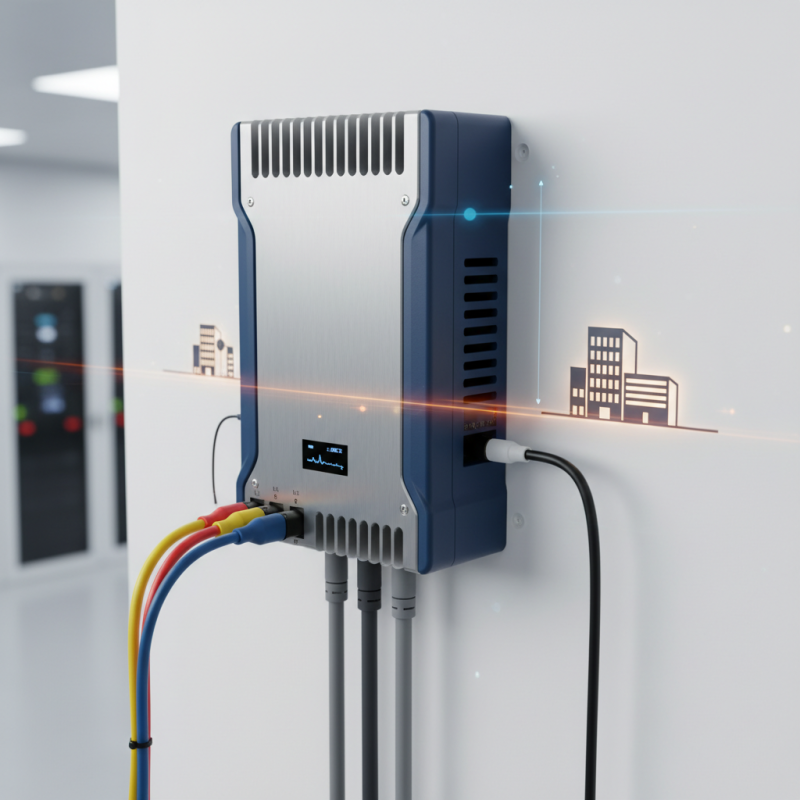
Benefits of Using a Three Phase to Single Phase Inverter in Residential Systems
Many homeowners are turning to three-phase to single-phase inverters. These systems can greatly enhance residential energy efficiency. According to a report by the International Energy Agency, residential energy consumption can be reduced by as much as 20% with the right inverter technology.
Three-phase systems provide a more stable power supply. They evenly distribute loads, which minimizes fluctuations in energy levels. This is particularly crucial for homes using multiple appliances. A report from the Electric Power Research Institute indicates that systems using three-phase inverters experience fewer outages and increased longevity of appliances.
Installation can be complex, yet the benefits often outweigh these challenges. Homeowners may find initial costs higher. However, the long-term savings on energy bills suggest a solid return on investment. The efficiency gained can be significant. According to data, homes with optimized inverter systems can see bill reductions of up to 30%.
Understanding the Efficiency Ratings of Three Phase Inverters vs. Single Phase
When evaluating the efficiency of inverters, understanding the differences between three-phase and single-phase options is crucial. Research indicates that three-phase inverters often have higher efficiency ratings, sometimes reaching up to 98%. This increased efficiency can translate into better performance in larger installations, making them suitable for residential and commercial applications.
However, single-phase inverters still hold their ground in smaller setups. They typically operate efficiently at lower capacities, often achieving around 95% efficiency under optimal conditions. This gap narrows down when considering varying loads, as three-phase systems can manage fluctuations better, allowing for a more steady output.
Moreover, the reliability of a three-phase inverter is noteworthy; they tend to require less maintenance compared to their single-phase counterparts in high-performance environments. Still, the higher initial investment in three-phase solutions may not be justified for all applications. Some homeowners might find that a single-phase inverter meets their needs without the added costs. Balancing efficiency, reliability, and investment is key when determining the right inverter type for your situation.
Cost Analysis: Long-term Savings with Three Phase Inverters for Homeowners
Three phase to single phase inverters offer significant long-term savings for homeowners. While the initial investment may seem high, the energy efficiency and increased reliability can lead to substantial reductions in utility bills. Depending on your local electricity rates, homeowners might save hundreds of dollars yearly. This technology converts three-phase electricity, common in businesses, to power homes effectively.
Installing these inverters can also lower maintenance costs. They are designed to handle high loads, reducing the strain on electrical systems. Many homeowners notice fewer electrical issues and reduced wear on appliances. These benefits contribute to a more reliable energy system.
However, it's important to consider specific needs. Some homes may not require the advanced capabilities of a three-phase inverter. Evaluation of usage patterns is crucial. Assessing consumption and future energy needs allows for a more informed decision. Adopting this technology requires reflection on both immediate costs and long-term gains.
Why Choose a Three Phase to Single Phase Inverter for Your Needs? - Cost Analysis: Long-term Savings with Three Phase Inverters for Homeowners
| Feature | Three Phase Inverter | Single Phase Inverter |
| Initial Cost | $1,200 | $800 |
| Installation Cost | $300 | $200 |
| Efficiency (%) | 97 | 95 |
| Energy Output (kWh/year) | 12,000 | 8,000 |
| Annual Savings ($) | $1,500 | $1,000 |
| Payback Period (years) | 1.6 | 2.0 |
| Lifespan (years) | 25 | 20 |
Application Scenarios: When to Choose a Three Phase to Single Phase Inverter
A three-phase to single-phase inverter can be essential in various scenarios. For instance, residential areas often lack three-phase power. Households usually rely on single-phase electricity. In these cases, converting three-phase energy allows for efficient power usage. This can enhance energy management in homes.
Business sectors also benefit from this technology. Manufacturing plants often operate on three-phase systems. However, they may require single-phase power for smaller equipment. The ability to switch can lead to significant cost savings. According to the International Energy Agency, effective power conversion can reduce energy costs by as much as 20% in suitable applications.
Moreover, considering the sustainability aspect is crucial. Transitioning to a three-phase to single-phase inverter may not yield immediate benefits. It’s vital to analyze the long-term implications. Not all facilities might see an instant return on investment. Therefore, careful evaluation is essential before implementation. Understanding these dynamics can help to decide if the transition is truly beneficial.
Technical Specifications: Key Features to Consider in Inverter Selection
When selecting an inverter, it’s crucial to understand its technical specifications. A three phase to single phase inverter converts three-phase AC power into single-phase power. This is especially useful in residential setups where single-phase systems are more common. The inverter's efficiency rating is paramount. Look for models that offer over 90% efficiency to ensure minimal energy loss.
Power ratings are another key factor. Determine your energy needs, and choose an inverter with adequate capacity. A common mistake is underestimating power requirements. Always consider future expansion when making your choice.
Tips: Always verify the inverter's output waveform. Pure sine wave inverters are ideal for sensitive electronics. Avoid modified sine wave models for critical appliances.
Additionally, pay attention to the cooling system of the inverter. Efficient cooling prolongs its lifespan. A poorly cooled inverter may fail prematurely. Regularly check for any signs of overheating as well.
In summary, consider the specifications carefully. They will serve as your guide in making a reliable and efficient choice.
Three Phase to Single Phase Inverter Performance Comparison