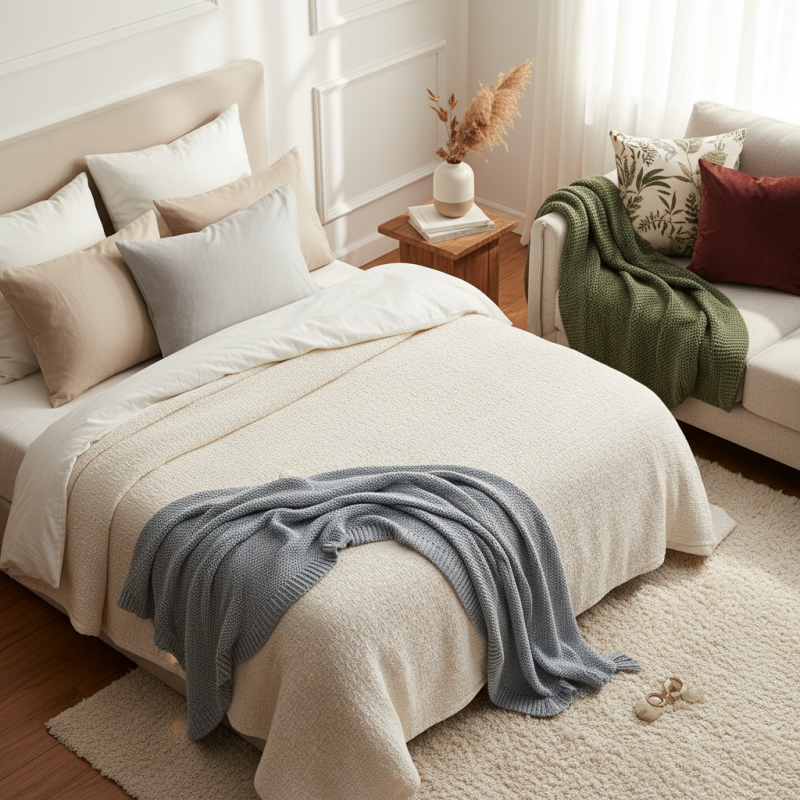
Why Choose the Right Home Textile Fabric for Your Home?
Choosing the right home textile fabric is more than just a design decision. It impacts comfort, aesthetics, and durability in your living space. Every fabric brings a distinct texture, color, and feel. From soft cotton to luxurious silk, each choice can change the atmosphere of a room.
Consider how textiles interact with light and temperature. Some fabrics insulate better than others. This can create a cozy environment during cold months or a breezy feel in warm weather. It’s crucial to think about the maintenance as well. Many fabrics are not as easy to clean as they seem.
As you make your selection, reflect on your lifestyle. Some families need durable options that withstand wear and tear. Others may prioritize elegance and richness. Balancing function and style can be challenging, yet it’s a rewarding task. The right home textile fabric can lay the foundation for a beautiful and functional home.
Understanding Home Textile Fabrics: A Comprehensive Guide
When selecting home textile fabrics, understanding their types and qualities is essential. Different fabrics can influence the overall atmosphere of your home. Cotton, for instance, is soft and breathable. It’s perfect for casual living spaces. However, it might fade over time, especially in sunlight.
Linen offers a relaxed, natural look. It wrinkles easily, which some find charming while others see it as a drawback. Polyester is durable and stain-resistant, yet it can feel less luxurious than natural fibers. Choosing the right fabric means considering your lifestyle and how much care you’re willing to invest in your textiles.
Textures play a significant role in creating comfort. Velvet adds a touch of elegance, but it’s not the easiest to clean. Mixing fabrics can create depth and interest. Balance is key. You want a harmonious look but also practicality. Sometimes, it’s tough to find the perfect fabric that fulfills both aesthetic and functional needs. Reflection on what you truly want is crucial in this process.
Key Factors to Consider When Choosing Home Textile Fabrics
Choosing the right home textile fabric is crucial for creating a comfortable living space. First, consider the durability of the fabric. Some materials hold up well against wear and tear, while others fray easily. Think about how much use the items will get. For example, a family with kids might benefit from stain-resistant fabrics. Light colors may show dirt quickly.
Next, feel matters. Softness can add a cozy touch. Go for materials like cotton or linen for a welcoming atmosphere. The texture can significantly influence the room's vibe. However, some fabrics may not hold up to washing. They can lose their initial appeal over time.
Color and pattern are also essential. Bold designs can make a statement, but they may become overwhelming. Muted tones create serenity, yet they might feel dull or lifeless. You may realize that trends change. What seemed perfect two years ago might feel outdated now. Take time to reflect on what truly resonates with your aesthetic.
Popular Types of Home Textile Fabrics and Their Uses
When selecting home textile fabrics, it's vital to consider various types. Cotton is a popular choice. It is soft, breathable, and machine washable. Many people use cotton for curtains and bedding. It feels good against the skin. However, it may shrink or fade over time. Careful washing helps, but it's still a concern.
Linen is another intriguing option. It has a natural, textured appearance. Linen drapes beautifully, making it ideal for tablecloths and sofa covers. The challenge is its tendency to wrinkle. Some users find this charming, while others do not. It requires careful handling and maintenance.
Polyester and blends are widely used for upholstery. They are durable and resistant to stains. This makes them ideal for families with children and pets. However, they lack the breathability of natural fabrics. Some people feel they can be less comfortable than cotton or linen. Balancing aesthetic appeal with functionality is key in choosing the right fabric.
The Impact of Fabric Choice on Home Aesthetics and Comfort
Choosing the right home textile fabric is crucial for enhancing both aesthetics and comfort. Different fabrics evoke distinct moods and vibes. For example, velvet exudes luxury, while linen offers a casual, relaxed feeling. The fabric you select can transform the overall atmosphere of a room.
Tips: When choosing fabric, consider feel. Soft textures tend to create a cozy environment. Scratchy materials can make a space feel uncomfortable, even if they look good. Think about your home’s purpose. If you have pets or kids, durable fabrics like microfiber might be worth considering.
The choice of fabric also affects color and pattern. Dark colors can absorb light, making a room feel smaller. Light colors can brighten up a space, giving it an airy feel. Patterned fabrics can add character or make a bold statement. However, too many patterns can feel chaotic. Finding balance is key.
Tips: Test samples in your home’s light. What looks good in the store may look different at home. Don't be afraid to mix textures. Layering different fabrics can create depth in your decor. Aim for a cohesive look, but allow for some playful elements.
Maintaining and Caring for Different Home Textile Fabrics
Caring for home textile fabrics is essential to ensure longevity and maintain their beauty. Different materials require specific attention. For instance, cotton can easily fade if washed with harsh detergents. While it's comfortable, it may also shrink if the water temperature is too high. Regular checking of care labels can save you from unexpected surprises.
On the other hand, synthetic fabrics may resist stains better but can generate static electricity. Dust may cling to these surfaces more than natural fibers. Regular vacuuming can help combat this issue. It's important to note that even the most durable textiles can show signs of wear over time. Ignoring small stains or damages can worsen the situation, leading to costly repairs or replacements.
Lastly, don’t forget about proper storage. Keeping textiles in a cool, dry place can prevent mold. However, if they are stored for too long without being cleaned, odors may develop. Sometimes, we underestimate the impact of simple maintenance. Reflecting on these details can elevate your home’s aesthetic and comfort.