Why Choose a Home Solar Power System for Your Energy Needs?
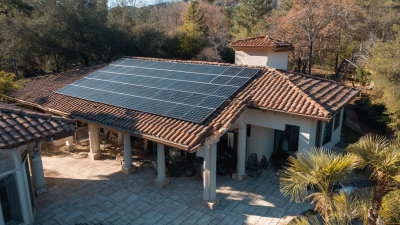
Choosing a Home Solar Power System has become a popular consideration for many homeowners. The rising energy costs and environmental concerns drive this trend. A Home Solar Power System provides a sustainable way to harness energy from the sun. Solar panels convert sunlight into electricity, reducing dependency on traditional energy sources.
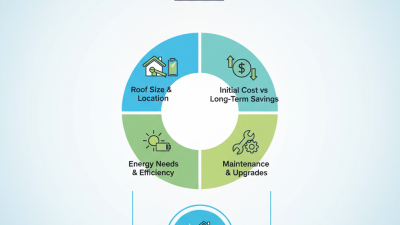
Investing in a Home Solar Power System can also lead to significant savings. Homeowners often notice lower electricity bills after installation. However, the initial cost can be a barrier for some. People may feel uncertain about the return on investment. It’s essential to evaluate the long-term benefits and potential incentives for solar energy.
Not every home may be suitable for a Home Solar Power System. Factors like roof orientation and shading play a crucial role in efficiency. Some may find their location lacks ample sunlight. Evaluating these details before making a decision is vital. Embracing solar power comes with both advantages and challenges, prompting homeowners to reflect carefully before transitioning.

Benefits of Home Solar Power Systems for Sustainable Energy Solutions
Home solar power systems offer notable advantages for sustainable energy solutions. With the rise in global energy demand, transitioning to solar energy has never been more crucial. According to the U.S. Department of Energy, solar power installations have nearly tripled in the last decade. This trend highlights a shift towards clean energy by households.
One of the key benefits of home solar systems is the reduction of electricity bills. Homeowners can save an average of $20,000 over 20 years. Additionally, during peak hours, they can sell excess energy back to the grid. This not only offsets costs but also supports local energy stability. Yet, initial installation can be expensive, leading many to hesitate.
Tip: Assess your roof's sun exposure before installation.
Another compelling reason is the positive environmental impact. Using solar energy reduces reliance on fossil fuels, cutting greenhouse gas emissions significantly. The National Renewable Energy Laboratory states that 1 megawatt of solar can offset approximately 1,600 tons of carbon dioxide per year. However, many people overlook the need for proper maintenance of solar panels. It’s essential to ensure efficiency over time.
Tip: Schedule regular cleanings to maximize energy output.
Adopting a home solar power system represents a significant step towards a sustainable future, despite its challenges. Understanding these factors can help in making an informed decision.
Benefits of Home Solar Power Systems
Financial Savings: Analyzing the Cost-Benefit of Solar Energy Investments
When considering a home solar power system, financial savings play a crucial role. The upfront investment can be daunting. However, the long-term benefits often outweigh the initial costs. According to the National Renewable Energy Laboratory, residential solar energy can save homeowners an average of $20,000 over twenty years. These savings vary based on location and energy consumption.
Moreover, solar panels often qualify for tax incentives. Homeowners can receive a federal tax credit of up to 26% on solar installations until 2023. This reduces the effective cost significantly. Yet, some homeowners may feel hesitant. The fluctuating nature of energy prices can raise concerns about return on investment. It’s important to analyze local electricity rates and incentives.
While solar energy systems require maintenance, these costs are generally low. A report by the U.S. Department of Energy suggests that routine inspections and occasional cleaning can sustain efficiency. However, unforeseen costs could arise, such as roof repairs or system upgrades. These factors must be considered in a comprehensive analysis of solar energy investments.
Why Choose a Home Solar Power System for Your Energy Needs? - Financial Savings: Analyzing the Cost-Benefit of Solar Energy Investments
| Investment Type |
Initial Cost ($) |
Annual Savings ($) |
Payback Period (Years) |
25-Year Savings ($) |
| Home Solar System |
15,000 |
1,500 |
10 |
37,500 |
| Energy Efficient Appliances |
5,000 |
300 |
16.67 |
5,000 |
| Energy Audit & Insulation |
2,000 |
400 |
5 |
2,000 |
| Traditional Utility Provider |
N/A |
1,200 |
N/A |
30,000 (est. for 25 years) |
Environmental Impact: Solar Energy and Its Role in Reducing Carbon Footprint
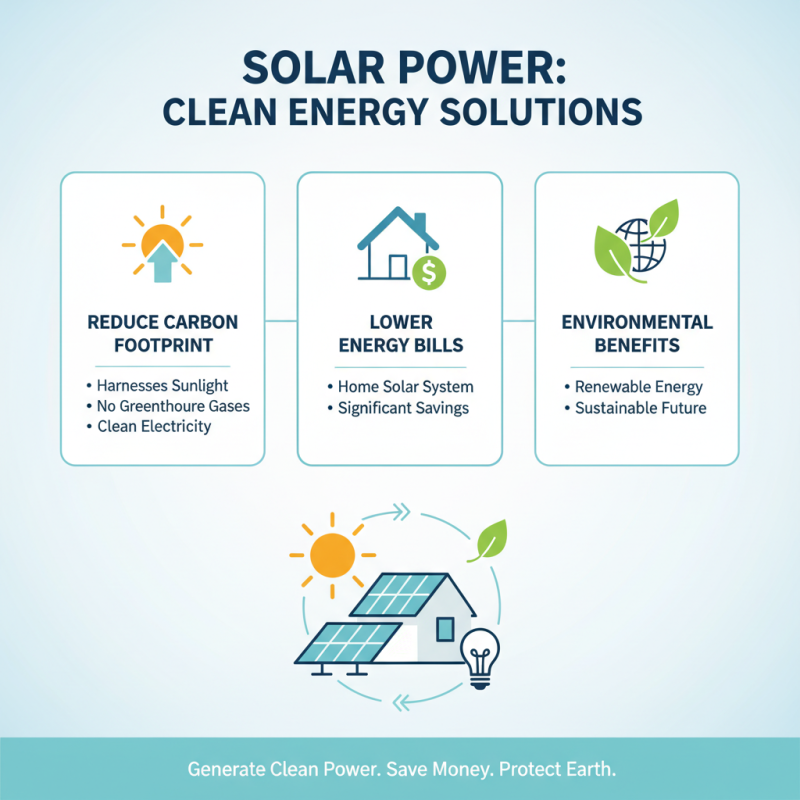
Solar energy is a powerful solution for reducing our carbon footprint. By harnessing sunlight, we can generate clean electricity. This process emits no greenhouse gases, unlike fossil fuels. A home solar power system can significantly lower your energy bills as well.
Implementing solar panels may seem daunting. There's a cost involved, and installation can be intrusive. Yet, the long-term benefits often outweigh the initial hurdles. Many people feel a sense of pride knowing they are contributing to a cleaner environment. Each solar panel installed can save an average of 100 tons of carbon dioxide over its lifetime.
Transitioning to solar energy helps combat climate change. It's a step towards a sustainable future. However, not everyone has access to this technology. Some still rely on traditional energy sources. It’s clear that while solar power has its challenges, it represents a vital solution in our fight against environmental degradation.
Technological Advancements: Innovations Driving Solar Power Efficiency and Accessibility
In recent years, technological advancements have transformed solar power efficiency. Innovations in photovoltaic (PV) technology have led to increased energy conversion rates. Current average efficiency rates hover around 20%. Some cutting-edge panels can achieve upwards of 23%. This progression helps homeowners maximize energy output.
Battery storage systems have also improved significantly. Modern solar batteries can store excess energy generated during the day for nighttime use. This ensures energy availability even when sunlight is absent. Cost-efficiency and longevity are essential considerations when choosing a battery. The best options can last over 10 years and withstand thousands of charge cycles.
Tips: Look for panels with a high degradation rate. A lower degradation means better long-term performance. Also, consider local incentives that can reduce installation costs. Many regions offer tax credits or rebates, making solar more accessible. Not every solar solution is perfect for every home. Evaluate your needs carefully and seek professional assessments.