How to Choose the Best Gasoline Heater for Your Needs?
Choosing the right Gasoline Heater can be daunting. With various options available, knowing what to prioritize is essential. Expert Thomas Branson, a specialist in heating solutions, once noted, “A gasoline heater can be more than just a device; it should enhance your comfort.”
When evaluating your needs, consider the size of your space. Smaller rooms may require a compact model, while larger areas call for more powerful heaters. Additionally, efficiency is crucial. Look for units with good fuel consumption ratings to save on costs. Remember, the right gasoline heater can save you money in the long run.
Don’t overlook safety features. Some models include automatic shut-off systems. Others have built-in exhaust systems to reduce fumes. These aspects can be the difference between a good choice and a regrettable one. In the end, reflecting on your specific requirements will guide you toward the best gasoline heater fit for your situation.
Factors to Consider When Selecting a Gasoline Heater for Home Use
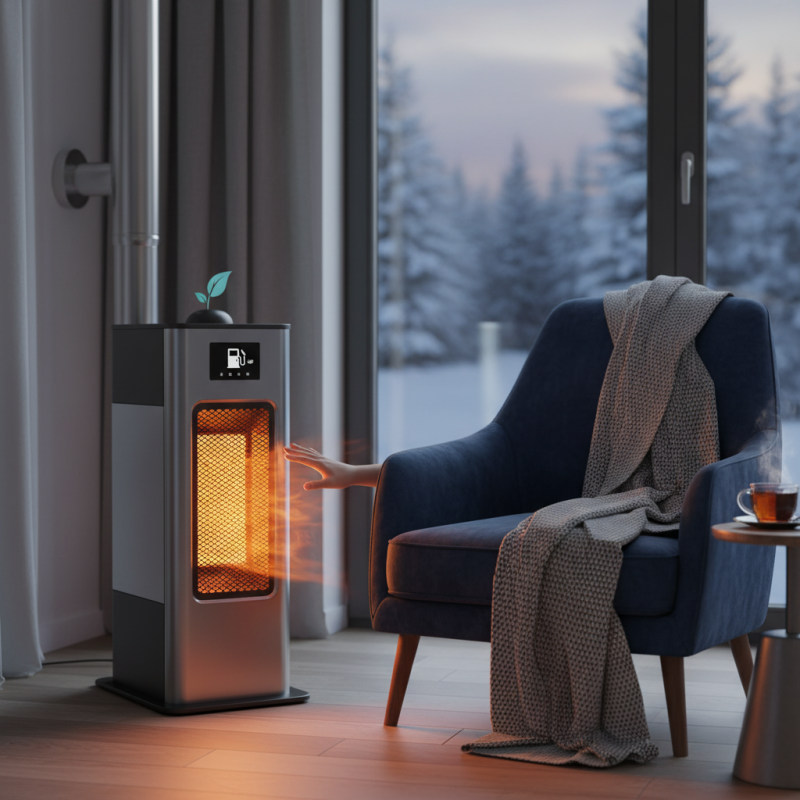
When selecting a gasoline heater for home use, several factors come into play. It’s crucial to consider the heater's size. A wrong size may lead to inefficient heating. If your space is too large for the heater, it won't warm your home effectively. On the other hand, an oversized unit can waste fuel and create discomfort. Look for a heater that fits your room dimensions.
Fuel efficiency is another key aspect. Some models consume more gas than others. Calculate how long you need to run the heater daily. This helps in understanding fuel costs. You might find yourself amazed at how different models impact your monthly budget. Keep in mind that maintenance is vital too. Regular checks can ensure longevity and safety. A neglected heater could pose risks.
Finally, safety features shouldn't be overlooked. Auto shut-off, tip-over protection, and proper ventilation are essential for preventing accidents. While it’s easy to focus on features, think about reliability. You don’t want a heater that fails in the coldest months. Reflect on your living situation; safety and effectiveness should guide your choice.
Understanding BTU Ratings: How Much Heating Power Do You Need?
When choosing a gasoline heater, understanding BTU ratings is crucial. BTU stands for British Thermal Unit. It's a measurement of heat energy. More BTUs mean more heating power. Depending on the size of your space, your BTU needs will vary. For a small room of about 100 square feet, you might need around 5,000 to 7,000 BTUs. Conversely, a larger area of 1,000 square feet could require up to 30,000 BTUs or more.
Industry reports indicate that many buyers overlook their actual heating requirements. This oversight can lead to inefficiencies. A heater with excessive BTUs can heat the space too quickly without maintaining warmth. This results in a colder environment once the heater shuts off. On the other hand, inadequate BTUs can leave you shivering. You might think you can save money by buying a smaller unit, but this can cause strain on the heater.
Consider your insulation, room height, and climate. Each factor affects your BTU needs. For example, a poorly insulated room in a cold climate will require more power. Clarity on BTU ratings can help ensure you select the right heater. However, it's not just about numbers; assessing your unique situation matters most.
Gasoline Heater BTU Ratings Comparison
Comparison of Portable vs. Stationary Gasoline Heaters: Which Is Better?
When deciding between portable and stationary gasoline heaters, consider your space and lifestyle. Portable heaters offer flexibility. You can move them easily from room to room. They are excellent for temporary heating. However, they may not heat large areas effectively. Their fuel consumption can be higher, too.
On the other hand, stationary heaters provide reliable, long-term warmth. They are ideal for larger spaces. Once installed, they require less maintenance. You can set them and forget them. Yet, moving them can be a challenge. They demand more upfront investment, which might be a barrier.
Tips: Always check safety features. Look for automatic shut-off options. This can prevent accidents. For portable units, ensure they have a stable base to avoid tipping. Monitor the fuel consumption to avoid surprises. It might feel overwhelming, but making informed choices can significantly enhance your comfort.
Safety Features to Look For in a Gasoline Heater: A Must-Check List
When selecting a gasoline heater, safety features should be a top priority. One essential factor is automatic shut-off. This feature stops the heater if it tips over or overheats. It’s crucial for preventing accidental fires. Some models even come with a flame failure safety device. This feature ensures that the heater shuts off if the flame goes out unexpectedly.
Carbon monoxide detectors are another critical aspect. They can save lives by alerting you to dangerous gas levels. Ensure your chosen heater has a built-in CO detector or plan to install one nearby. Additionally, look for heaters with proper ventilation systems. Ventilated designs allow proper air exchange, reducing the risk of toxic gas buildup in your space.
Furthermore, consider portability and stability. Heaters should have sturdy bases to prevent tipping over. Portable units should come with protective casings to avoid burns. Reflecting on these features can guide you to a safer choice. You might find that a slightly higher price tag provides significant peace of mind in terms of safety. Always prioritize safety over convenience or cost.
How to Choose the Best Gasoline Heater for Your Needs? - Safety Features to Look For in a Gasoline Heater: A Must-Check List
| Feature | Importance | Recommended Standard |
| Automatic Shut-off | Prevents overheating and potential fires | Must have |
| Tip-over Switch | Shuts off heater if it tips over | Highly recommended |
| CO Detector | Alerts for dangerous carbon monoxide levels | Essential |
| Flame Failure Device | Stops gas flow if flame goes out | Important |
| Safety Grid | Protects users from hot surfaces | Recommended |
| Overheat Protection | Limits temperature to avoid overheating | Must be included |
Fuel Efficiency and Cost: Analyzing the Long-Term Expenses of Gasoline Heaters
Fuel efficiency is crucial when selecting a gasoline heater. The long-term cost of fuel can heavily impact your budget. According to a report by the U.S. Energy Information Administration, gasoline prices can fluctuate significantly, making it vital to understand potential expenses. It’s reported that a gasoline heater can average around 0.3 to 0.5 gallons per hour, depending on the model and efficiency.
Understanding your heating needs can greatly influence fuel efficiency. For smaller spaces, a heater with lower output may suffice. Conversely, larger areas will require more powerful heaters, which consume more fuel. However, a higher BTU rating doesn't always mean better efficiency. Sometimes, larger units can waste energy if they’re too powerful for a given space.
Tips: Consider using a programmable thermostat. It lets you manage your heater's operation times more effectively. Set it to lower temperatures when the space is unoccupied. Regular maintenance, such as cleaning the fuel filter, can optimize efficiency. Reflect on your heating habits. Are you using the heater only as needed? Small changes can lead to significant savings.