Why Choose an Auto DC Pump for Your Applications?
In today's fast-paced world, efficient and reliable pumping solutions are essential. The Auto Dc Pump stands out as a versatile choice for various applications. Its ability to operate on low voltage makes it suitable for multiple environments. This characteristic is particularly valuable in remote locations where power sources may be limited.
Choosing an Auto DC Pump can significantly reduce energy consumption while delivering high performance. These pumps are designed for a range of applications, from agricultural irrigation to aquariums. Users often appreciate their quiet operation and minimal maintenance needs. However, some may find it challenging to select the right model due to the many options available. Understanding the specific requirements of your application is crucial.
While the Auto DC Pump offers many advantages, it's essential to consider its limitations. Not all pumps perform optimally under every condition. Users should reflect on aspects such as pressure requirements and flow rates. In a world where efficiency is king, making informed choices about the equipment we use is more critical than ever.
Benefits of Using Auto DC Pumps in Various Applications
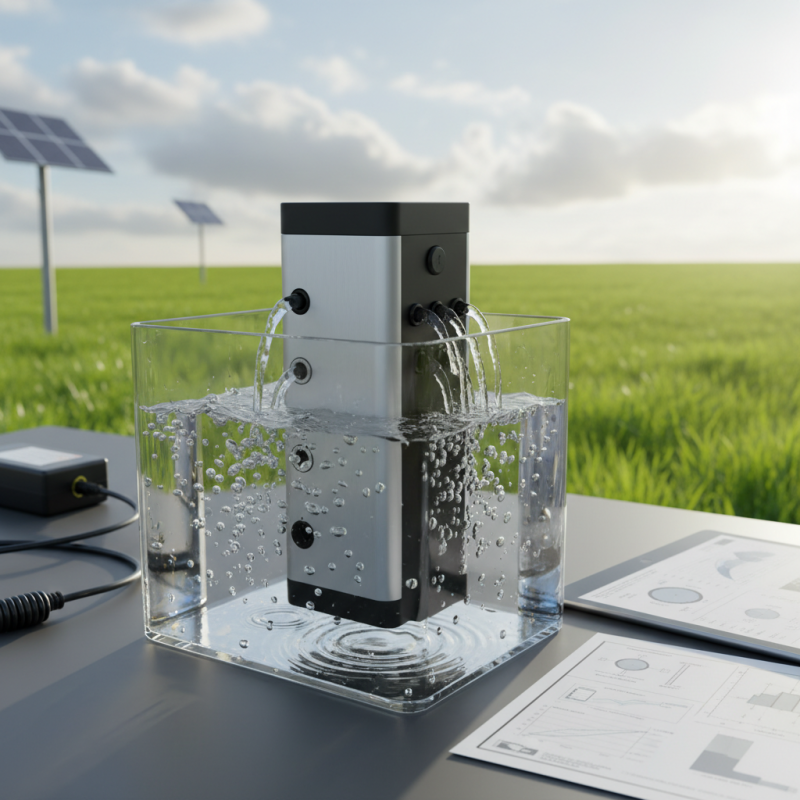
Auto DC pumps have become increasingly popular across various applications. Their compact design makes them easy to install in tight spaces. Many users appreciate their energy-efficient operations. This feature is particularly helpful in reducing overall operational costs. The flexibility of these pumps is evident in multiple scenarios, from aquariums to solar-powered systems. They can effectively handle different fluids, providing versatility for various needs.
Using auto DC pumps also comes with environmental benefits. They often have lower power consumption compared to traditional pumps. This can lead to a smaller carbon footprint. Additionally, these pumps operate quietly. Users enjoy the reduced noise levels, which is crucial in residential or quiet settings. However, it's essential to note that not all installations may run perfectly. Some users have reported challenges with sediment accumulation. Regular maintenance can help mitigate these issues, ensuring optimal performance over time.
Overview of Auto DC Pumps and Their Operating Principles
Auto DC pumps are gaining popularity due to their efficiency and versatile applications. These pumps operate on direct current, making them suitable for various environments. They can be powered by batteries or solar panels, providing flexibility for remote locations. Their compact design allows for easy installation in tight spaces.
The operating principle of auto DC pumps is straightforward. When the pump is activated, a motor drives the impeller, creating suction. This process draws fluid into the pump and then pushes it out through the outlet. The design is often simple, yet effective, reducing maintenance needs. However, users must consider the potential limitations, such as reliance on power sources.
Using auto DC pumps can enhance efficiency in applications like agricultural irrigation or water circulation in aquariums. Their quiet operation is another advantage, minimizing disturbances in residential areas. However, users might face challenges, such as insufficient power supply or the need for regular checks on functionality. It’s crucial to evaluate specific requirements before selecting the right pump for your project.
Key Factors to Consider When Selecting an Auto DC Pump
When selecting an auto DC pump, several key factors stand out. Efficiency is paramount. According to the Energy Information Administration, DC pumps can operate at over 90% efficiency. This is notably higher than many AC alternatives. A high-efficiency pump reduces energy costs. It’s crucial for both long-term savings and environmental impact.
Capacity and flow rate are also significant. Each application has specific requirements. Engineers should calculate the needed flow rate accurately. Oversizing a pump can lead to wasted energy and increased wear. A study from the Department of Energy highlights that improper sizing can decrease system performance by nearly 30%. Understanding these metrics ensures optimal functionality.
Moreover, the operating environment impacts pump life. Auto DC pumps may face varying temperatures and humidity levels. Selecting pumps that meet these environmental conditions is essential. For instance, pumps exposed to extreme humidity may require additional protection. A lack of proper consideration for these factors can result in costly failures. Balancing efficiency, capacity, and environmental compatibility is crucial for long-lasting performance.
Why Choose an Auto DC Pump for Your Applications? - Key Factors to Consider When Selecting an Auto DC Pump
| Factor | Description | Importance |
| Power Source | Select a pump that can operate efficiently with your available DC power supply. | High |
| Flow Rate | Determine the necessary flow rate for your application to ensure optimal performance. | Critical |
| Head Height | Evaluate the required head height to ensure the pump can deliver fluid at the desired elevation. | Important |
| Material Compatibility | Ensure the pump material is compatible with the fluid being pumped to prevent corrosion or contamination. | High |
| Size and Weight | Consider the pump dimensions and weight for installation requirements and space limitations. | Moderate |
| Noise Level | Assess the noise level of the pump for applications where quiet operation is crucial. | Variable |
| Energy Efficiency | Look for pumps that have lower energy consumption to reduce operating costs. | High |
Comparative Analysis: Auto DC Pumps vs. Traditional Pumps
When comparing Auto DC pumps to traditional pumps, several key differences emerge. Auto DC pumps are often more efficient in energy consumption. They typically use less electricity while providing the same flow rate. This makes them cost-effective for long-term use. Traditional pumps may consume more power, leading to higher operational costs.
Another significant advantage of Auto DC pumps is their compact design. They are lighter and easier to install in tight spaces. This adaptability offers more options for placement in various applications. In contrast, traditional pumps can be bulky and require more extensive infrastructure. However, traditional pumps sometimes excel in durability. They may handle larger volumes in heavy-duty settings.
It's essential to recognize that while Auto DC pumps have many benefits, they might not be suitable for all situations. Users should consider their specific needs. Performance can vary based on the application requirements. Analyzing both types can lead to more informed choices. Auto DC pumps represent a modern solution, but traditional pumps still hold value in many scenarios.
Common Applications and Industries Utilizing Auto DC Pumps
Auto DC pumps have gained traction in various industries due to their versatility. They are compact and energy-efficient. This makes them ideal for applications with limited space. A common use is in solar-powered systems. They help in irrigation and water supply. The ability to operate on low power is a significant advantage.
These pumps also find relevance in automotive applications. They can be used for cooling systems in vehicles. This enhances performance and efficiency. In marine environments, Auto DC pumps help in bilge pumping. They prevent water accumulation, ensuring safety. Their durability is key here, as they withstand harsh conditions.
In residential use, these pumps are crucial for home water systems. They support pressure boosting and filtration. Homeowners appreciate their quiet operation. However, some users may overlook the importance of proper installation. Incorrect placement can lead to inefficiencies and issues. Therefore, careful planning is necessary for optimal functionality.
Common Applications of Auto DC Pumps
This bar chart illustrates the common applications of Auto DC Pumps across various industries, showcasing their widespread usage in enhancing efficiency and performance in fluid management.