2026 Best Synthetic Mica Powder Uses and Benefits?
synthetic mica powder is gaining recognition in various industries. This versatile material offers unique benefits in cosmetics, automotive, and construction. Dr. Jane Cooper, a leading expert in mineral applications, emphasizes this: "Synthetic mica powder opens doors to innovation."
In cosmetics, its lightweight properties enhance product texture. It reflects light, providing a natural shimmer in makeup. Automotive applications benefit from its heat resistance and strength. In construction, it improves the durability and aesthetics of coatings. However, while synthetic mica powder holds promise, challenges in sourcing and production remain.
The industry still grapples with quality standards. Some products may not meet customer expectations. Consumers seek transparency and sustainability in sourcing. Misleading claims can distort market trust. Navigating these issues is vital for future growth. Awareness and education will drive better practices in synthetic mica powder usage.
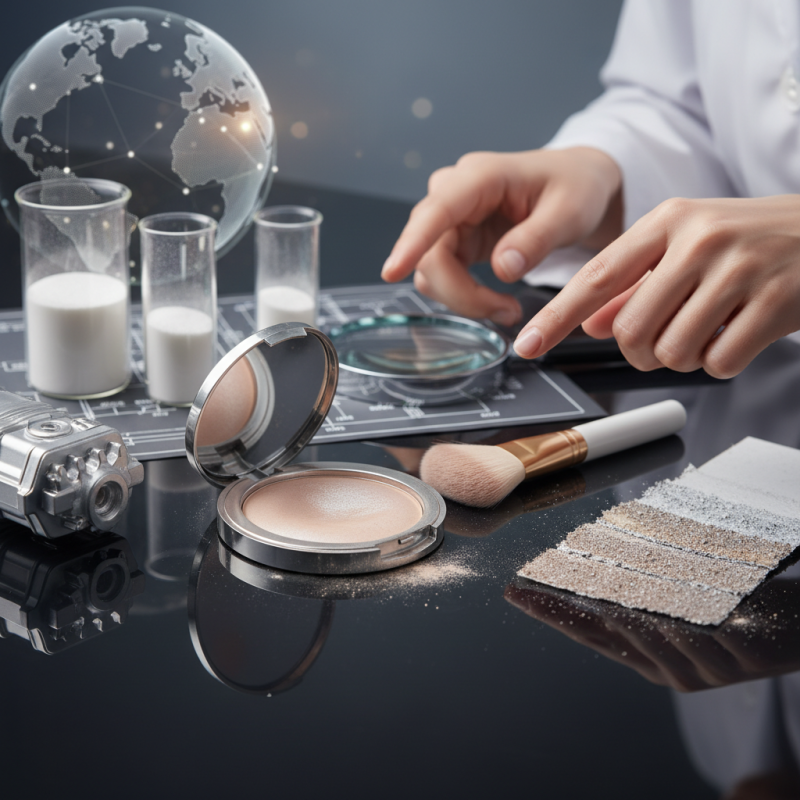
Overview of Synthetic Mica Powder: Definition and Composition
Synthetic mica powder is a finely ground mineral used in various industries. This powder is made from synthetic sources, primarily silica, and alumina. Its structure resembles natural mica, offering similar properties, but with added benefits. The unique composition of synthetic mica allows it to be more uniform and free from impurities.
In cosmetics, synthetic mica serves as a perfect pigment. It adds shimmer and a silky texture to products like eyeshadow and foundation. Unlike natural mica, it doesn’t pose risks to mining environments. It is also heat-resistant, making it suitable for high-temperature applications. Its durability makes it a favorite among formulators.
Tips: When choosing synthetic mica, check for particle size. Finer particles provide better coverage. Always consider the formulation’s final use. Not all synthetic mica is the same; some may work better in specific applications.
Moreover, while synthetic mica is versatile, remember it’s not eco-friendly in production. The energy used can be significant. Be aware of sourcing and environmental impact. It’s essential to weigh these factors when selecting materials for your projects.
Key Uses of Synthetic Mica Powder in Cosmetics and Personal Care Products
Synthetic mica powder is increasingly popular in cosmetics and personal care products. This mineral mimic offers a shimmer similar to natural mica but is more uniform in appearance. According to a recent market report, the synthetic mica market is expected to grow at a CAGR of 8.9% from 2021 to 2028. This growth can be attributed to rising demand for eco-friendly and cruelty-free beauty products.
Cosmetic manufacturers appreciate synthetic mica for its versatility. It serves as a filler, pigment, and texturizer, enhancing products from foundations to eyeshadows. The fine particle size allows for a smooth application and a luxurious feel on the skin. Even so, formulators must carefully balance the amount used to avoid a chalky finish.
Furthermore, synthetic mica provides benefits beyond aesthetics. It has oil-absorbing properties, making it suitable for mattifying formulas. However, some challenges remain. For instance, achieving consistent quality can be difficult. Quality control processes must be robust to maintain the desired performance. As the industry shifts towards cleaner formulations, synthetic mica represents a promising direction in cosmetics.
Applications of Synthetic Mica Powder in Industrial and Construction Fields
Synthetic mica powder plays a vital role in various industrial and construction applications. Its unique properties make it suitable for a range of uses. For instance, synthetic mica is often found in cosmetics, providing a shimmering effect. However, its benefits extend beyond beauty products. In construction, it serves as a filler material in paints and coatings. This enhances durability and provides a smooth finish.
Additionally, synthetic mica powder is known for its heat resistance. This quality makes it a valuable additive in insulation materials. It helps buildings withstand extreme temperatures. However, not all synthetic mica is created equal. The quality can vary, and sometimes it does not perform as expected. This leads to reflections on sourcing and application processes.
In electronics, synthetic mica is used as a dielectric insulator. It ensures reliable performance in various devices. Yet, the environmental impact of mica production raises concerns. Companies must consider sustainability in their sourcing decisions. Balancing performance with eco-friendliness can be challenging. It invites ongoing industry discussions about responsible practices.
Health and Environmental Benefits of Using Synthetic Mica Powder
Synthetic mica powder is gaining popularity for its health and environmental benefits. This mineral is often used in cosmetics and personal care products. According to a recent industry report, the global market for synthetic mica is expected to reach $1 billion by 2026. Its use in makeup products offers a safe alternative to natural mica, which has been linked to harmful mining practices.
One striking advantage of synthetic mica is its non-toxic nature. Studies show it does not pose health risks associated with heavy metals. This mineral offers excellent shimmer and texture in cosmetics, enhancing product appeal. The report indicates that nearly 60% of cosmetic manufacturers are switching to synthetic mica. This shift reflects a growing awareness of ethical sourcing and safety.
Despite its benefits, challenges remain. The production process needs to be continually refined to minimize environmental impact. Water usage and energy consumption in manufacturing are areas needing attention. Furthermore, transparency in sourcing is crucial. As the industry evolves, focusing on sustainability is essential for the future of synthetic mica powder.
Comparative Advantages of Synthetic Mica Over Natural Mica
Synthetic mica offers several advantages over natural mica, making it an increasingly popular choice in various industries. One key benefit is its purity. Synthetic mica can be manufactured to specific standards, eliminating impurities found in natural sources. A study highlighted that synthetic mica has a lower tendency for contamination, which is crucial in cosmetics. This results in a smoother application and enhanced product stability.
Moreover, synthetic mica is more sustainable and ethical. The extraction of natural mica raises concerns regarding labor practices and environmental impact. In contrast, synthetic mica can be produced with less environmental disruption. Recent data suggests that using synthetic alternatives could reduce the carbon footprint associated with mica mining. It's imperative that industries recognize the pressing need for responsible sourcing and production.
In terms of performance, synthetic mica often demonstrates superior characteristics. It provides better dispersibility and a finer texture. This versatility makes it suitable for a wide range of applications, from personal care products to advanced coatings. Industry reports indicate a growing trend, with synthetic mica usage increasing by approximately 25% annually. While synthetic mica seems to be the future, it's essential to continuously evaluate its impact on both performance and environmental sustainability.