Best OSB Board for Global Buyers to Consider?
As the demand for OSB Board continues to rise globally, buyers face a crucial decision in selecting the best options. According to a recent market analysis by the Lumber Industry Association, OSB Board consumption has increased by 15% in the past year alone. Experts highlight that quality and application are key factors influencing this growth. "Choosing the right OSB Board can significantly impact construction efficiency," states Dr. Emily Thompson, a renowned materials scientist.
In an industry where sustainability is becoming essential, not all OSB Boards meet the necessary environmental standards. Leading manufacturers are now prioritizing eco-friendly practices, yet some products still fall short. Buyers should be aware of certifications, as they can drastically affect the OSB Board's overall quality and performance. It can be a complex landscape to navigate, with varying thicknesses and grades available.
While many options exist, not all are suited for every project. Some buyers have reported dissatisfaction with boards that do not meet their expectations. This underscores the need for careful assessment of specifications alongside intended use. A smart choice in OSB Board can enhance durability and functionality, making it a crucial component for builders and contractors alike.
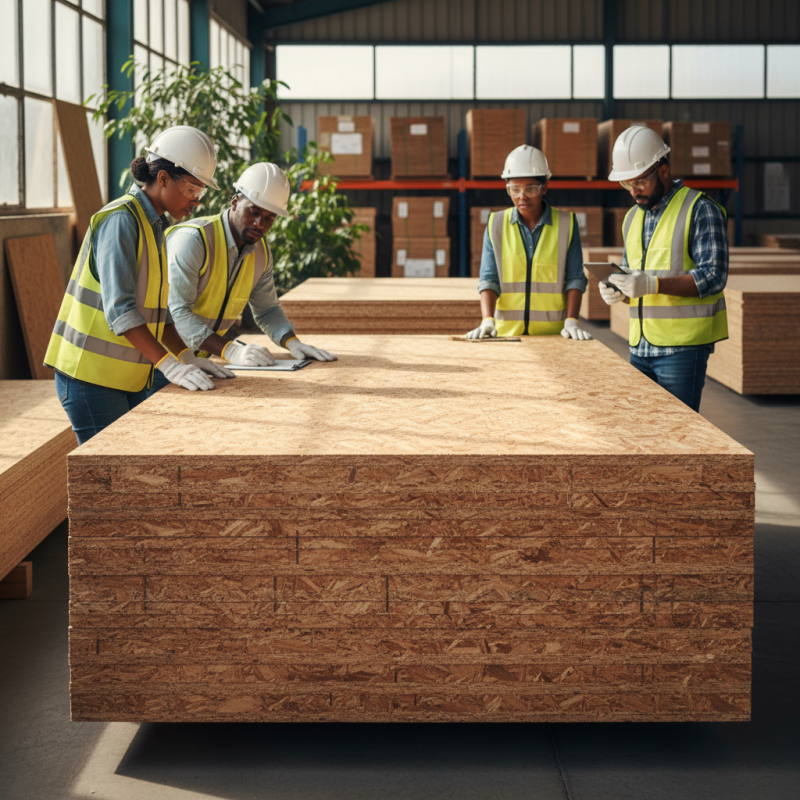
Best OSB Board Types for Global Buyers in 2023
When considering OSB (Oriented Strand Board) for various projects, buyers have several types to choose from in 2023. Structural OSB is a popular option due to its strength. According to industry reports, structural panels possess a high strength-to-weight ratio. This makes them suitable for load-bearing applications, especially in residential construction.
Another option is moisture-resistant OSB. This type is essential in areas prone to humidity. A 2022 survey revealed that nearly 30% of buyers prioritize water resistance in their purchasing decisions. This trait significantly reduces the risk of warping and swelling. Nonetheless, the availability of moisture-resistant OSB varies by region, which can complicate sourcing for global buyers.
Finally, OSB sheathing is widely used for wall and roof applications. Europe's construction market shows a growing trend towards OSB sheathing. Industry insights suggest an increase in demand for eco-friendly OSB products. However, buyers should be aware of the environmental impact. Sourcing high-quality, sustainable OSB remains a challenge. Other considerations include the potential for price fluctuations influenced by raw material availability. Reflecting on these complexities can guide buyers in making informed decisions.
Key Factors Influencing OSB Board Selection for Various Applications
When selecting OSB board, several key factors must be considered. One significant aspect is the intended application. OSB boards serve various purposes, including flooring, roofing, and wall sheathing. Each application may require different thicknesses and grades of the board. Understanding these specifications helps buyers choose the right product that meets their project needs.
Another important factor is environmental resistance. Buyers should check for moisture and mold resistance. OSB boards susceptible to water can lead to structural issues. Additionally, the board's performance in extreme temperatures is vital. Various climates impact OSB durability. Therefore, choosing boards designed for specific environmental conditions is crucial.
Safety and sustainability are also critical concerns. Many buyers prefer eco-friendly options. These boards are made from recycled materials or sustainably sourced wood. Looking for certifications can guide buyers towards reliable products. In this complex market, making informed decisions can be challenging. However, considering these factors leads to better outcomes for any construction project.
Comparative Analysis of OSB Board Performance Metrics Across Regions
When considering OSB boards for global use, performance metrics vary significantly across regions. In North America, factors such as moisture resistance and structural integrity are pivotal. Buyers look for boards that can withstand humidity fluctuations, especially in areas prone to heavy rainfall. This focus on durability leads to specific treatment processes that enhance the boards' longevity.
In Europe, the emphasis may lean towards environmental sustainability. Many buyers prioritize options that are produced with eco-friendly materials. This creates a distinct market where recycled content and low emissions are crucial. However, some products may sacrifice strength for sustainability, leading to debates about their overall performance.
Asian markets are navigating different challenges. High competition drives rapid innovations in OSB production. While this accelerates development, it raises questions about quality control and consistency. Reports indicate discrepancies in manufacturing standards, which can leave buyers uncertain about what they receive. More attention to quality assurance could strengthen buyer confidence across this diverse region.
Best OSB Board for Global Buyers to Consider? - Comparative Analysis of OSB Board Performance Metrics Across Regions
| Region | Thickness (mm) | Density (kg/m³) | Moisture Resistance | Mechanical Properties | Price (USD/m³) |
| North America | 11 | 650 | High | Strong | 200 |
| Europe | 12 | 600 | Medium | Moderate | 220 |
| Asia | 9 | 700 | Low | Weak | 180 |
| South America | 10 | 630 | Medium | Strong | 210 |
| Africa | 8 | 720 | High | Moderate | 175 |
Sustainability and Environmental Considerations in OSB Board Production
Sustainability in OSB board production is essential for current and future needs. The process typically involves using wood strands, which require careful sourcing. Responsible forestry practices are vital. Deforestation remains a significant concern. To combat this, producers must implement better management techniques.
The energy consumed during production is another area needing attention. Many manufacturers are exploring renewable energy options. This shift can reduce carbon footprints and enhance environmental responsibility. Water usage also plays a critical role. Excessive water consumption must be mitigated through recycling methods.
Moreover, the adhesives used in OSB boards sometimes contain harmful chemicals. Eco-friendly alternatives are not yet widespread. This gap necessitates a conscious effort from companies and consumers alike. As global buyers consider their options, they must weigh sustainability and performance. Each choice has far-reaching impacts. Emphasizing transparency in sourcing and production is needed, creating a more informed marketplace.
Market Trends and Price Fluctuations in the OSB Industry Worldwide
The OSB (Oriented Strand Board) industry is undergoing significant changes. Recent reports show a growth rate of approximately 4.7% globally, driven by rising demand in construction and furniture sectors. However, price fluctuations present challenges. In 2022, prices soared by 30% due to supply chain disruptions. In contrast, early 2023 saw a decrease in costs, as production stabilized.
North America remains a key player. The U.S. accounts for over 50% of global OSB consumption. Changes in housing market trends here affect worldwide prices. Data from industry experts indicate that in the first half of 2023, OSB prices fluctuated between $250 and $400 per thousand board feet. This variation reflects both demand and international trade dynamics.
Environmental regulations are also impacting the OSB market. Increased focus on sustainability is pushing manufacturers to adapt. Many are exploring alternative raw materials or improving production processes. This trend may lead to higher upfront costs but holds potential for long-term savings. Buyers need to monitor these developments closely as they can influence procurement strategies.