
Top 10 Benefits of Using Butterfly Valves for Your Projects?
Butterfly Valves are an essential component in many industrial applications. Their design and functionality offer several advantages that can significantly enhance project efficiency. One key benefit of using butterfly valves is their lightweight structure. This feature simplifies installation and maintenance, making them a preferred choice for engineers.
In industries such as water treatment and chemical processing, butterfly valves provide reliable control over fluid flow. They can operate effectively under varying pressures and temperatures. Their compact design also saves space, which is crucial in tight installation areas. Moreover, the quick operation of a butterfly valve allows for rapid adjustments in flow, contributing to better process management.
While butterfly valves have many advantages, it’s important to select the right type for specific applications. Companies need to consider factors like material compatibility and size to avoid potential issues. Overall, when utilized correctly, butterfly valves can lead to improved performance and cost savings in various projects. Their value is undeniable, making them a smart choice for many engineering challenges.
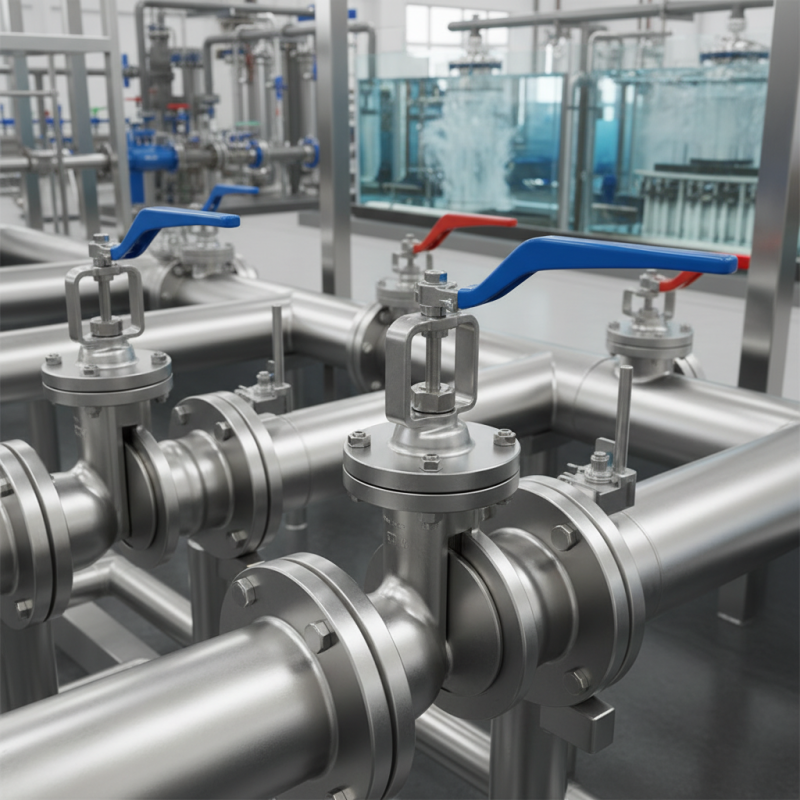
Benefits of Butterfly Valves: A Cost-Effective Solution for Fluid Control
Butterfly valves are gaining attention in fluid control projects due to their cost-effective solutions. According to a report by the Global Valve Market, the use of butterfly valves is projected to grow significantly over the next few years. Their simple design allows for quick operation and reliable performance, making them ideal for various applications.
Another advantage is their lightweight design, often resulting in lower installation costs. Engineering studies reveal that butterfly valves can reduce overall project costs by nearly 20%. This is primarily due to their efficient flow characteristics and reduced energy consumption compared to other valve types. However, it's essential to note that their performance may vary based on specific conditions, such as pressure and temperature.
Despite their benefits, butterfly valves are not without limitations. They may present challenges in throttling applications, where precise control is necessary. Damage can occur if misused, particularly in high-pressure scenarios. Therefore, careful evaluation is crucial when selecting valves for particular projects. Understanding the operational environment can lead to more informed decisions and better long-term outcomes.
Enhanced Flow Efficiency: How Butterfly Valves Improve System Performance
Butterfly valves are pivotal for enhancing flow efficiency in various systems. Their simple design allows for quick operation and precise control. Unlike other types of valves, butterfly valves manage flow with minimal obstruction, which helps maintain optimal pressure levels. This efficiency translates into lower energy consumption and reduced operational costs.
Many projects benefit from using butterfly valves, especially in industries like water management and HVAC. These valves can handle a wide range of fluids, including slurries and gases. However, one must consider installation challenges. Proper alignment and sealing are crucial to avoid leaks. Misalignment can lead to wear and decreased efficiency over time. Regular maintenance checks can prevent such issues, ensuring long-lasting performance.
The versatility of butterfly valves does not come without challenges. They are often less effective in throttling applications compared to other valve types. When used incorrectly, they may cause flow turbulence, affecting overall system efficiency. A well-informed choice of valve type for specific applications is essential. With the right integration, butterfly valves can significantly improve system performance and reliability.
Compact Design: Space-Saving Advantages of Using Butterfly Valves
Butterfly valves are renowned for their compact design, making them ideal for various industrial applications. Their lightweight construction allows for easier installation and maintenance. According to a report by the American Society of Mechanical Engineers (ASME), using butterfly valves can save up to 30% more space compared to gate or globe valves. This space-saving advantage can be crucial in projects where real estate is limited.
In many industries, such as oil and gas, the efficient use of space is integral to safe operations. Their unique design, which utilizes a disc to control flow, reduces the need for extensive piping systems. This not only results in lower material costs but also decreases the overall weight of the valve assembly. However, proper selection and sizing are essential. Overlooking these factors can lead to inefficiencies, which may negate some of the benefits.
The installation of butterfly valves can significantly lower the footprint of a system. Their ability to operate effectively in confined spaces leads to optimized layouts. Engineers must consider both installation and future maintenance. Attention to these details can enhance reliability and performance while minimizing potential issues. Thus, understanding the nuances of butterfly valve applications is key to maximizing their advantages in various projects.
Versatility in Applications: Adapting Butterfly Valves Across Industries
Butterfly valves are known for their versatility across industries. They find common applications in water treatment, HVAC systems, and food processing. According to a recent industry report, the global butterfly valve market is expected to grow by 5.6% annually. This growth reflects their adaptability to various environments and pressures.
In the water treatment sector, butterfly valves help manage flow and pressure efficiently. They can handle large volumes of water, making them ideal for municipal systems. Additionally, their lightweight design makes installation straightforward and cost-effective. Industries benefit from reduced operational costs and improved reliability. In HVAC systems, these valves are crucial for regulating airflow, ensuring energy efficiency.
Tip: Always assess the specific requirements of your project before selecting a butterfly valve. Not all valves offer the same features or performance. Consider factors like pressure rating and size carefully.
Butterfly valves also excel in food processing. They offer ease of cleaning and maintenance, which is vital in this industry. However, some designs may not meet stringent sanitary standards. This poses a reflection point for users regarding compliance and reliability. Always prioritize valves that adhere to industry regulations to avoid future issues.
Top 10 Benefits of Using Butterfly Valves for Your Projects
| Benefit | Description | Applications | Materials Used |
|---|---|---|---|
| Lightweight | Easier installation and handling due to lower weight compared to other valve types. | Water treatment, HVAC systems | Aluminum, PVC |
| Cost-Effectiveness | Generally more affordable than other valve types. | Pipelines, chemical processing | Stainless steel, cast iron |
| Compact Design | Space-saving feature, ideal for tight installations. | Industrial machinery, fire protection systems | Brass, plastic |
| Quick Operation | Rapid opening and closing, improves system response time. | Water supply networks, oil and gas | Carbon steel, rubber |
| Low Maintenance | Simple design leads to fewer maintenance needs. | Chemical and petrochemical industries | Polypropylene, nylon |
| High Flow Capacity | Allows for higher flow rates, optimizing system efficiency. | Agriculture, water distribution | Ductile iron, fiberglass |
| Versatile Applications | Can be used in various industry sectors. | Pharmaceuticals, pulp and paper | Alloy steel, EPDM |
| Durability | Resists wear and tear, long service life. | Mining, waste management | High-density polyethylene, stainless steel |
| Temperature Tolerance | Can operate under various temperature conditions. | HVAC, power generation | Thermoplastic, metal alloys |
Durability and Reliability: Longevity of Butterfly Valves in Harsh Conditions
Butterfly valves are renowned for their durability and reliability, especially in extreme conditions. Their design allows them to withstand high pressures and varying temperatures. According to industry insights from the Valve Manufacturers Association, butterfly valves can operate effectively in environments ranging from -20 to 150 degrees Celsius. This wide range ensures their application in both commercial and industrial projects.
While butterfly valves offer impressive longevity, proper installation and maintenance are crucial. Installing these valves at the right angle can significantly enhance their lifespan. Regular inspections help detect wear and tear early. Over time, improper maintenance can lead to performance issues, requiring costly replacements.
Tip: Always ensure the valve is correctly sized based on the pipe diameter. An ill-fitted valve is prone to failure.
The materials used in butterfly valves, such as stainless steel and cast iron, contribute significantly to their reliability. Studies show that valves made from these materials can last up to 20 years in harsh conditions. However, not all environments are the same. It’s essential to assess the specific conditions of your project before making a selection.
Tip: Consider the fluid corrosiveness when choosing materials for your valve. This can prevent unexpected failures.