2026 Best Renewable Resources for a Sustainable Future?
As the world confronts urgent climate challenges, the focus on renewable resources has never been more critical. Experts, like Dr. Emily Carter, an authority in renewable energy, emphasize, “Investing in renewable resources is essential for our planet's future.” Her words underscore the significance of exploring sustainable energy options.
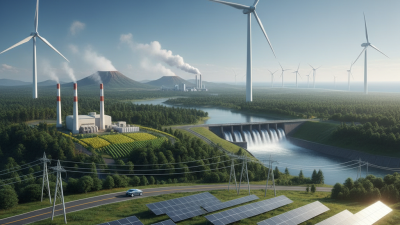
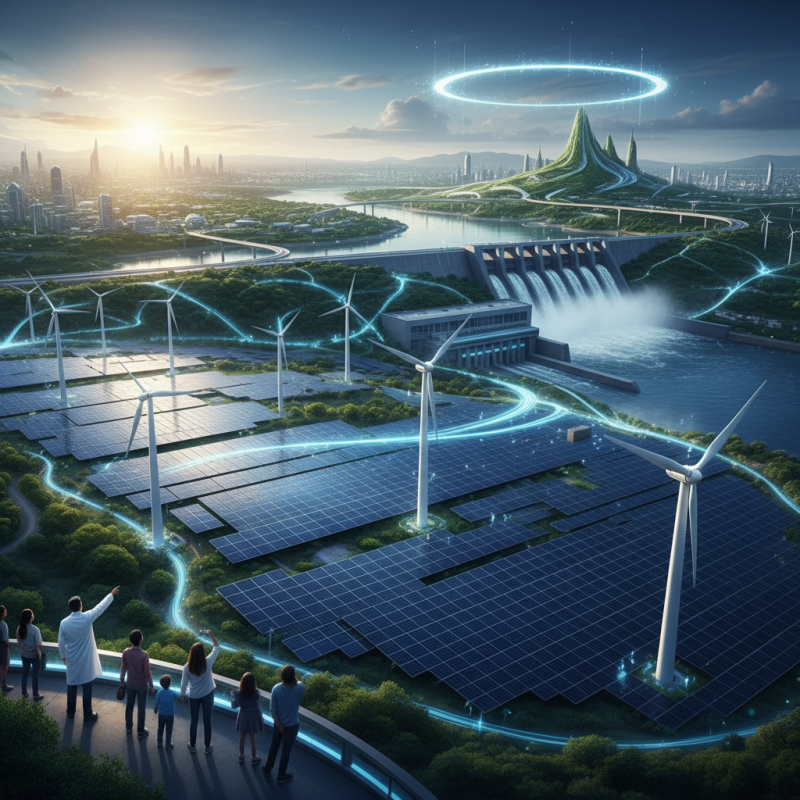
In 2026, several renewable resources are poised to shape a more sustainable future. Solar, wind, and hydropower lead the charge, each offering unique benefits. Solar panels convert sunlight into energy, making it a widely accessible option. Wind turbines harness powerful gusts, generating electricity without emissions. Hydropower utilizes flowing water, providing a continuous energy supply.
Yet, as we embrace these solutions, we face challenges. Not all regions have equal access to renewable resources. Some technologies require significant upfront investment. Additionally, the environmental impact of resource extraction for renewable technologies must be addressed. Reflecting on these complexities helps us navigate a balanced approach towards a sustainable future.
The Role of Solar Power in Sustainable Energy Solutions
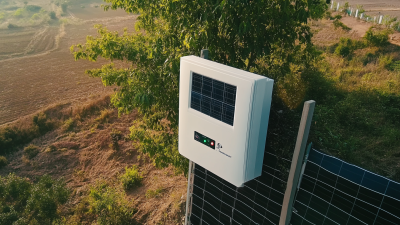
Solar power stands out as a leading player in renewable energy. It captures sunlight and converts it into electricity.
Homes and businesses benefit from solar panels, and they reduce reliance on fossil fuels. However, the installation process can be complicated and costly.
Many people hesitate because of upfront expenses and maintenance needs.
The technology behind solar power is constantly evolving. New materials improve efficiency, making solar panels work better. However, some regions still lack access to this technology.
In addition, the energy produced is not always consistent, depending on weather and location. These issues require ongoing innovation and investment.
Public awareness about solar power's advantages is growing, but myths still persist. Many think it's not efficient at high latitudes or during winter months. Addressing these misconceptions is crucial for wider adoption.
Education plays a key role in promoting solar energy, yet many people remain uninformed about its benefits.
Advancements in Wind Energy Technology and Its Future Potential
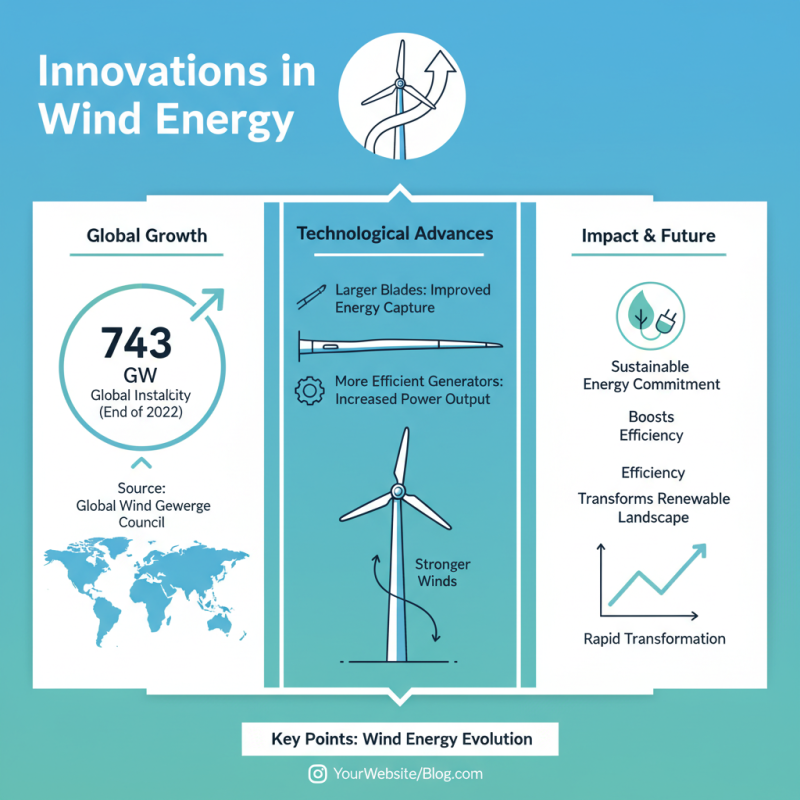
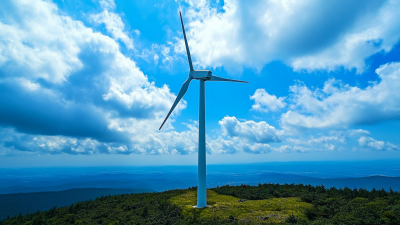
Innovations in wind energy technology are rapidly transforming the renewable energy landscape. According to a recent report by the Global Wind Energy Council, global installed wind capacity reached 743 GW by the end of 2022. This growth reflects a strong commitment to sustainable energy solutions. Advances in turbine design, such as larger blades and more efficient generators, have significantly improved energy capture. Larger turbines can harness stronger winds, which boosts overall production efficiency.
Tips: Consider local wind patterns when developing wind projects. Data-driven site assessments can enhance performance.
The future potential of wind energy remains promising. Researchers estimate that wind could supply over 35% of global electricity by 2050. Despite these advancements, challenges linger. Variability in wind speed can result in inconsistent energy supply. Energy storage solutions are critical to mitigate this issue. Improving system integration with other renewable sources remains an ongoing challenge.
Tips: Collaborate with experts for integrated energy solutions. Proper planning can address supply inconsistencies.
Exploring the Benefits of Hydropower for Renewable Energy Development
Hydropower stands out as a reliable renewable energy source. It harnesses the power of flowing water to generate electricity. In 2022, hydropower contributed over 16% of the world’s electricity supply. This percentage only increases as technology improves. Dams and water turbines capture energy efficiently, but installing them can disrupt local ecosystems.
Despite its advantages, hydropower has drawbacks. Building large dams may require extensive land use, affecting wildlife and local communities. Reports suggest that around 40 million people have been displaced by hydropower projects since 1950. In addition, changing weather patterns can impact water flow, challenging the consistency of energy generation. These factors need consideration in future projects.
Investment in hydropower technology is growing. Innovations like small-scale hydropower are emerging. They reduce environmental impacts and provide energy to rural areas. The Global Renewable Energy Report indicated that small hydropower could generate 100 gigawatts (GW) globally. This alternative offers a path for sustainable development with fewer risks. The balance between energy needs and environmental protection remains critical as we advance.
The Impact of Biomass Energy on Carbon Neutral Initiatives
Biomass energy plays a crucial role in carbon neutral initiatives. It offers a renewable source of energy by utilizing organic materials. These materials include agricultural waste, wood, and even certain types of garbage. By converting this waste into energy, we reduce the need for fossil fuels. This process can significantly lower carbon emissions in the atmosphere.
However, there are challenges to consider. Over-reliance on biomass can lead to deforestation and loss of biodiversity. Not every biomass source is sustainable. It’s essential to choose wisely to avoid detrimental effects on the ecosystem. Keep in mind that efficient technology is vital for optimal results.
**Tips:** When considering biomass, assess the sourcing of materials. Support certified suppliers known for sustainability. Also, be aware of local regulations regarding biomass energy usage. Engaging communities can enhance awareness and promote better practices. Choosing the right approach can maximize benefits while minimizing environmental impact.
2026 Best Renewable Resources for a Sustainable Future - The Impact of Biomass Energy on Carbon Neutral Initiatives
| Resource Type |
Carbon Emission Reduction (tons/year) |
Renewable Energy Generation (MWh/year) |
Cost per MWh ($) |
Sustainability Impact Rating (1-5) |
| Biomass |
120,000 |
250,000 |
45 |
4 |
| Solar |
100,000 |
300,000 |
30 |
5 |
| Wind |
90,000 |
400,000 |
35 |
4 |
| Geothermal |
80,000 |
150,000 |
50 |
4 |
| Hydropower |
140,000 |
500,000 |
25 |
5 |
Geothermal Energy: A Hidden Gem for Sustainable Resource Management
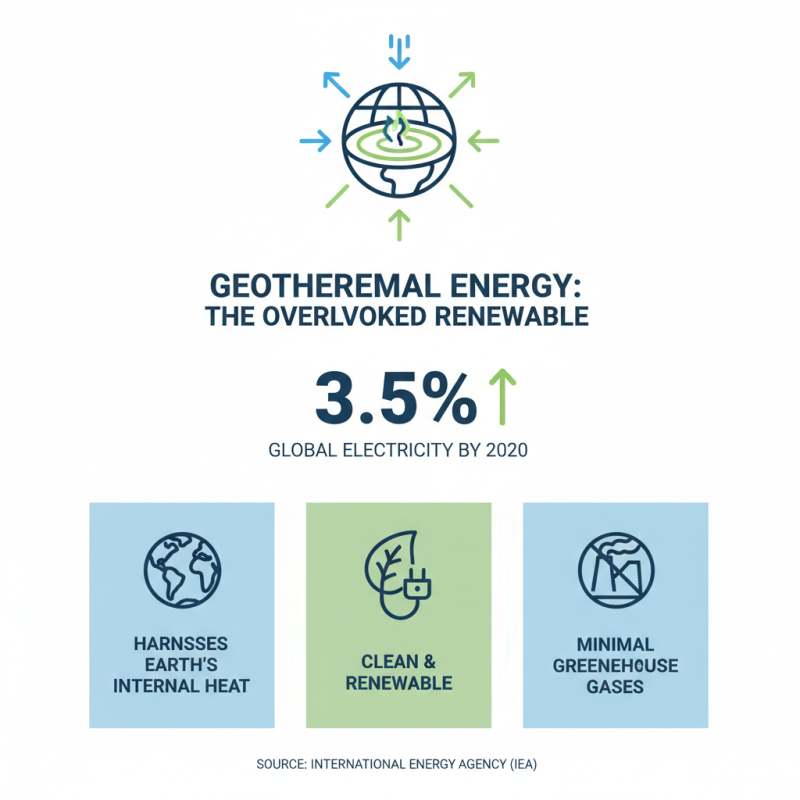
Geothermal energy is often overlooked in discussions around renewable resources. Yet, it has immense potential for sustainable energy management. According to the International Energy Agency, geothermal sources could provide around 3.5% of the global electricity supply by 2030. This clean and renewable energy harnesses the Earth’s internal heat. It emits minimal greenhouse gases compared to fossil fuels.
Despite these advantages, challenges remain. Geothermal installations can be costly and require significant upfront investment. A report from the U.S. Department of Energy points out that only a fraction of geothermal resources are currently exploited. This underutilization calls for better technology and funding. Regions with high geothermal activity may not be well-populated, leading to geographical limitations.
The development of geothermal energy can significantly reduce carbon footprints. In fact, one geothermal plant can prevent approximately 100,000 tons of carbon dioxide each year. The industry also faces regulatory hurdles that can impede growth. Awareness and education are critical. Increasing public interest in geothermal energy can drive innovation. Addressing these issues will be key to unlocking its full potential.